Drain the Oceans: The Mississippi River
2021
No user ratings available yet
Diversity score: 3.2 out of 10
2016
TV-PGRuntime
55 minutes
Average Rating
No ratings yetSynopsis
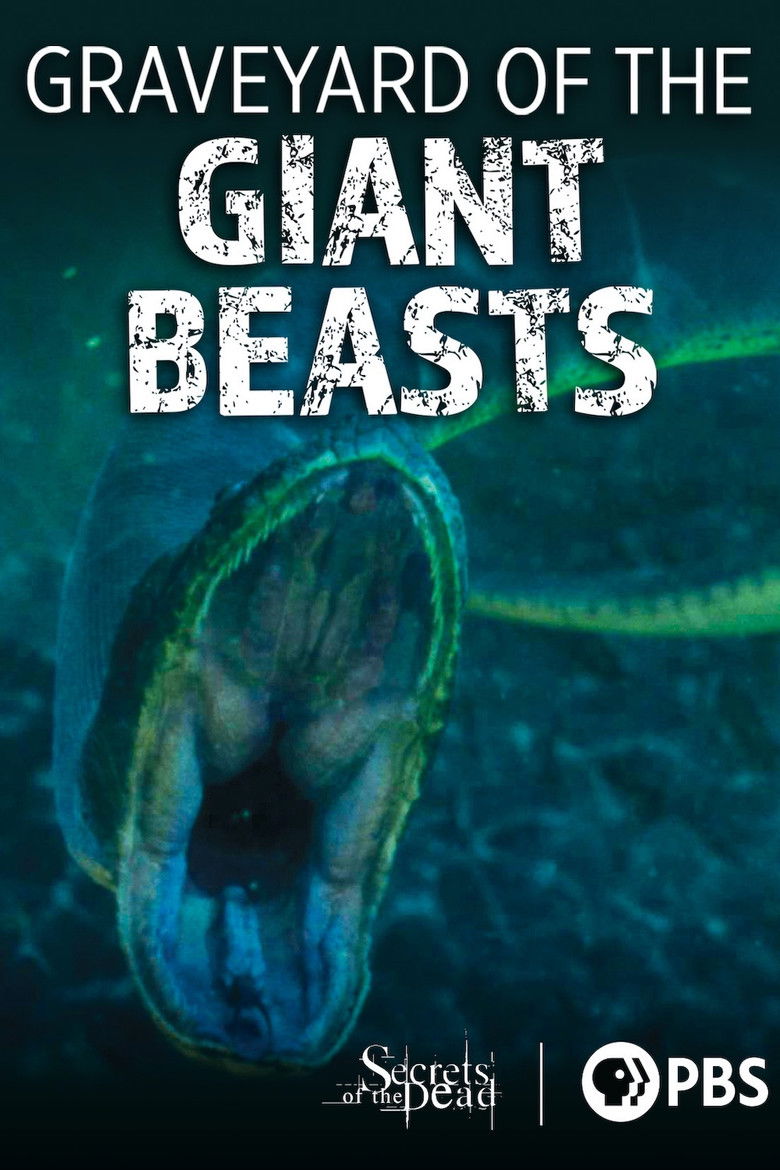
A mining operation in Cerrejon, Northern Colombia revealed a treasure trove of fossils from animals that lived ten million years after the KT extinction that killed the dinosaurs. Surprisingly, enormous reptiles were dominate. Scientists investigate who was the apex predator of the era - Titanoboa, a quarter ton giant snake five times bigger than the largest anaconda, or a similarly giant crocodilian with an incredibly deadly bite force. —David Foss
Overall Score
Limited
Category Breakdown
LGBTQ+ Representation
The documentary focuses entirely on fossil excavation and prehistoric biology. There are no human characters or interpersonal narratives to depict gender identity or sexual orientation.
Gender Representation
The narrative centers on scientific discovery and geological history. While researchers are featured, the film does not address gendered power dynamics or subvert traditional hierarchies.
Racial & Ethnic Diversity
The setting in Northern Colombia provides a natural context for regional engagement. By focusing on a Global South location, the film offers a more globalized paleontological perspective.
Religious & Cultural Diversity
The film prioritizes secular scientific inquiry and empirical evidence over mythological interpretations. It utilizes a traditional Western academic framework to reconstruct the prehistoric era.
Disability Representation
The production focuses on fossil records and prehistoric reptiles. There are no human characters with visible or invisible disabilities presented in this scope.
Strengths
Areas for Improvement
AI Analysis
This documentary prioritizes empirical investigation and the reconstruction of ancient apex predators over human-centric social dynamics. The narrative architecture is built around scientific inquiry into the Titanoboa and giant crocodilians found in Colombia. Because the subject matter is biological and geological, the film lacks the character agency necessary to explore intersectional identities. The low diversity score reflects these genre-specific constraints rather than a lack of intent. While the film lacks social representation, it succeeds in shifting the scientific gaze toward a non-Western geographic location, providing a broader view of Earth's biological history.
No reviews yet. Be the first to share your thoughts on this movie!
Use the rating form above to leave a star rating and optional review.