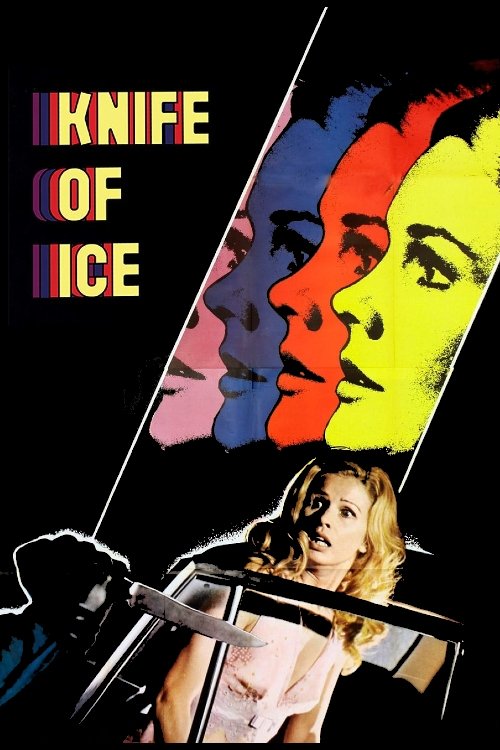
Knife of Ice
1972
No user ratings available yet
Diversity score: 3.5 out of 10

1987
Director
Arvīds Krievs
Runtime
99 minutes
Average Rating
No ratings yetSynopsis
The 1980s. Kārlis did his military service in Afghanistan and is now confined to a wheelchair. Before he left, he had fallen in love with the teacher Judīte, but she has now married a rich man...and poses nude for Kārlis' neighbour, the cynical photographer Rūdofs. Soon Rūdolfs is found dead, and Kārlis admits to having murdered him. But investigator Konrāds suspects that Kārlis is incriminating himself.
Overall Score
Fair
Category Breakdown
LGBTQ+ Representation
The film lacks explicit depictions of LGBTQ+ identities. Romantic tension is framed through a traditional heterosexual lens between Kārlis and Judīte. There is no structural critique of heteronormativity present.
Gender Representation
Judīte is portrayed with agency and autonomy through her role as a nude model. Male characters subvert traditional tropes, appearing as vulnerable, incapacitated, or cynical rather than dominant patriarchs.
Racial & Ethnic Diversity
The production appears ethnically homogeneous, reflecting its specific Soviet-era geopolitical context. The narrative focuses on internal social hierarchies rather than racial intersectionality or multi-ethnic casting.
Religious & Cultural Diversity
The story critiques state-driven military endeavors and materialist values through its characters. It explores moral relativism and the fallibility of institutional justice within its specific social setting.
Disability Representation
Kārlis is a central protagonist whose life is shaped by his wheelchair. The film integrates his physical disability into a complex crime drama without relying on sentimentalism.
Strengths
Areas for Improvement
AI Analysis
The film excels at subverting traditional character archetypes, particularly through its portrayal of disability and gendered vulnerability. Kārlis is a complex protagonist whose physical state is central to the psychological drama, avoiding shallow tropes. However, the narrative is limited by a lack of intersectional diversity. The absence of LGBTQ+ representation and a homogeneous ethnic cast prevents a more inclusive exploration of identity. Ultimately, the film is a character-driven study of moral ambiguity and social fractures, prioritizing psychological depth over broad demographic representation.
No reviews yet. Be the first to share your thoughts on this movie!
Use the rating form above to leave a star rating and optional review.