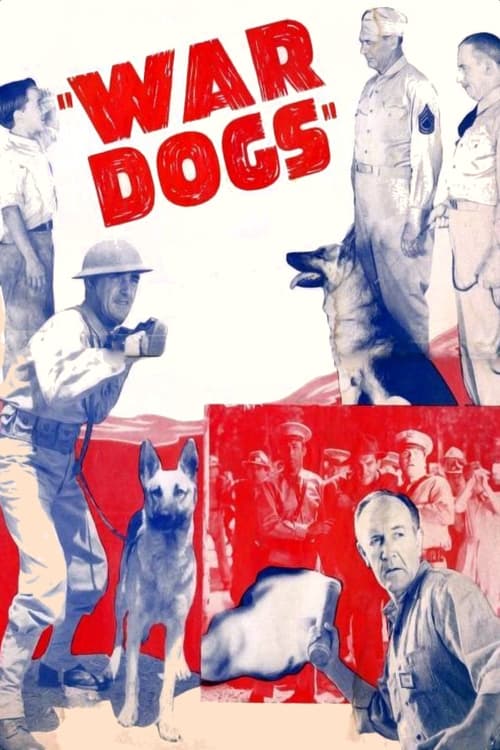
War Dogs
1942
No user ratings available yet
Representation score: 0.4 out of 10
Representation Score
Fair
1990
TV-PGDirector
Ed Kaplan
Runtime
92 minutes
Average Rating
No ratings yetNew Showbiz Analysis
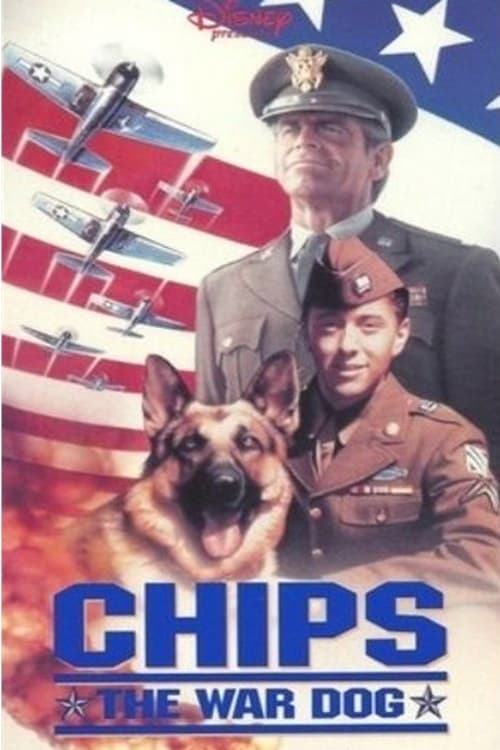
Chips, the War Dog presents a straightforward wartime narrative centered on a young soldier and his dog. The story emphasizes individual merit, military discipline, and patriotic duty. Representation is limited by the historical setting and genre conventions of the era. The film honors traditional values and offers a clear moral framework. It lacks diversity in its cast and character dynamics. The narrative does not challenge existing social structures or offer nuanced perspectives on identity. The ensemble remains homogeneous, with women in support roles and no characters of color in significant positions. Disability is absent from the ensemble. The focus remains on physical fitness and military training.
Category Breakdown
No LGBTQ+ characters or romantic relationships appear in this 1990 war drama. The cast consists entirely of heterosexual military personnel and civilians. The story focuses on human-animal bonds and wartime survival.
Male officers and soldiers drive the plot through military decisions and training. Women appear in limited support roles, such as nurses or wives. The narrative relies on traditional gender dynamics, with men holding authority and women providing emotional care.
The cast is predominantly white, reflecting the 1940s military setting. No characters of color hold significant roles or narrative depth. The story centers on American soldiers and a German Shepherd, offering no cross-cultural interaction or diverse representation.
The film portrays the U.S. Army as a meritocratic institution where individual effort matters. Patriotism is framed positively through duty and sacrifice. Traditional family values are honored, with no critique of Western institutions or systemic power structures.
No characters with physical or mental disabilities appear in the film. The story focuses on physical fitness and military training. There are no portrayals of neurodivergence, chronic illness, or sensory impairments as lived conditions.
Present on Screen
Limited or Absent
Official Synopsis
In this made-for-tv movie, misfits Danny Stauffer and Chips (a chicken-chasing German shepherd) are teamed up in the Army's "Dogs for Defense" program during WWII.
1942

2018
1948

2015
1944
2017

2007
2003
No reviews yet. Be the first to share your thoughts on this movie!
Use the rating form above to leave a star rating and optional review.