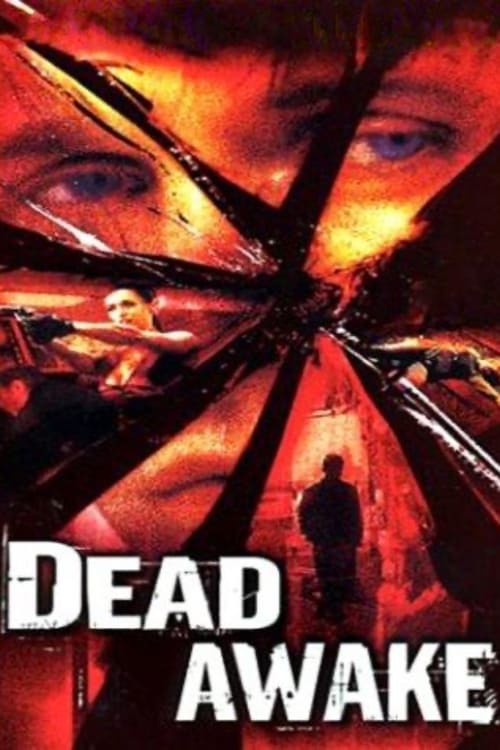
Dead Awake
2001
No user ratings available yet
Representation score: 2.5 out of 10

Representation Score
Limited
2010
PG-13Director
Allen Wolf
Runtime
90 minutes
Average Rating
No ratings yetNew Showbiz Analysis
In My Sleep is a conventional psychological thriller that prioritizes genre tension over social commentary. The narrative operates within a standard middle-class framework, focusing on individual psychological distress rather than broader sociological themes. The film lacks intentionality regarding characters who reflect more than one aspect of diversity. It relies on established clichés, such as using neurobiological conditions as plot devices for horror rather than exploring disability with depth. Ultimately, the work remains within the bounds of traditional Western cinematic structures, offering minimal engagement with diverse demographic or cultural vectors.
Category Breakdown
The film does not include any LGBTQ+ characters or explore non-cisgender identities. It maintains a traditional approach to character identity without any queer-coded subtext.
While a young girl is the main character, the story focuses on her psychological vulnerabilities rather than challenging traditional gender roles or patriarchal structures.
The cast appears homogeneous, lacking diverse representation or non-Anglo-Saxon backgrounds. The setting suggests a typical, racially uniform suburban environment.
The story adheres to traditional Western storytelling norms. It does not critique Western institutions or deconstruct traditional family structures.
The plot centers on sleepwalking and sleep paralysis. However, these conditions serve primarily as suspense drivers rather than nuanced explorations of lived experiences.
Present on Screen
Limited or Absent
Official Synopsis
A sleepwalking, sexaholic masseur wakes up, covered in blood next to a bloody knife, when cops ring the doorbell.
2001

2003

2013
2011
2013
1997
2005
2005
No reviews yet. Be the first to share your thoughts on this movie!
Use the rating form above to leave a star rating and optional review.