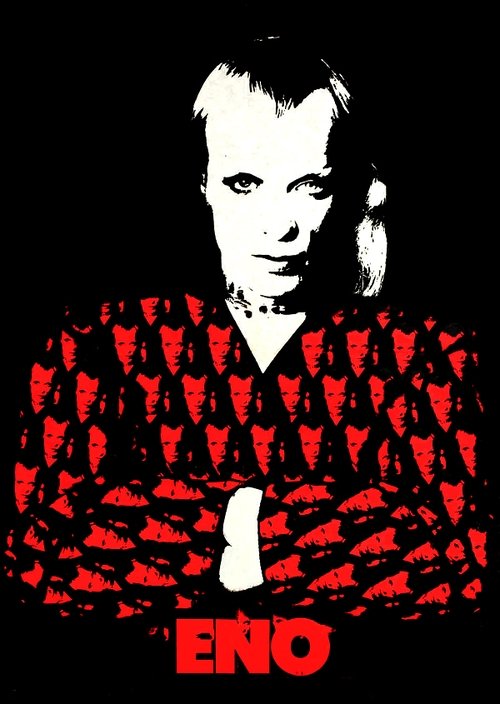
Eno
1973
No user ratings available yet
Representation score: 3.3 out of 10

Representation Score
Fair
1989
Director
Gabriella Cardazzo, Duncan Ward
Runtime
40 minutes
Average Rating
No ratings yetNew Showbiz Analysis
This documentary serves as a specialized profile of Brian Eno's creative philosophy. It prioritizes individual intellectual processes over broad social or demographic dynamics. The film challenges traditional musical norms and hierarchies through its emphasis on non-linear, atmospheric soundscapes. However, it remains a Western-centric study of a singular artist, offering little representation of diverse racial, ethnic, or gendered identities.
Category Breakdown
The film focuses on sonic landscapes and conceptual theories rather than LGBTQ+ identities. It avoids depicting queer relationships or intimacy.
The film features equal directorship between Gabriella Cardazzo and Duncan Ward. However, the narrative centers on Brian Eno, focusing on technical aspects rather than gendered social roles.
The documentary is a focused study of a Western avant-garde figure. It lacks a diverse cast or a narrative that integrates various ethnic perspectives.
The film challenges standard Western musical hierarchies through experimentalism. It promotes intellectual secularism by emphasizing the mechanics of perception rather than religious frameworks.
The documentary provides no evidence regarding the portrayal of physical or neurodivergent disabilities, focusing strictly on the subject's professional output.
Present on Screen
Limited or Absent
Official Synopsis
Here’s an interesting and extremely rare documentary from 1989, which features legendary producer and multimedia artist Brian Eno discussing his process and his thoughts on music in general.
1973
2016
1985
2021
1998
2022
2007
2013
No reviews yet. Be the first to share your thoughts on this movie!
Use the rating form above to leave a star rating and optional review.