Find another title
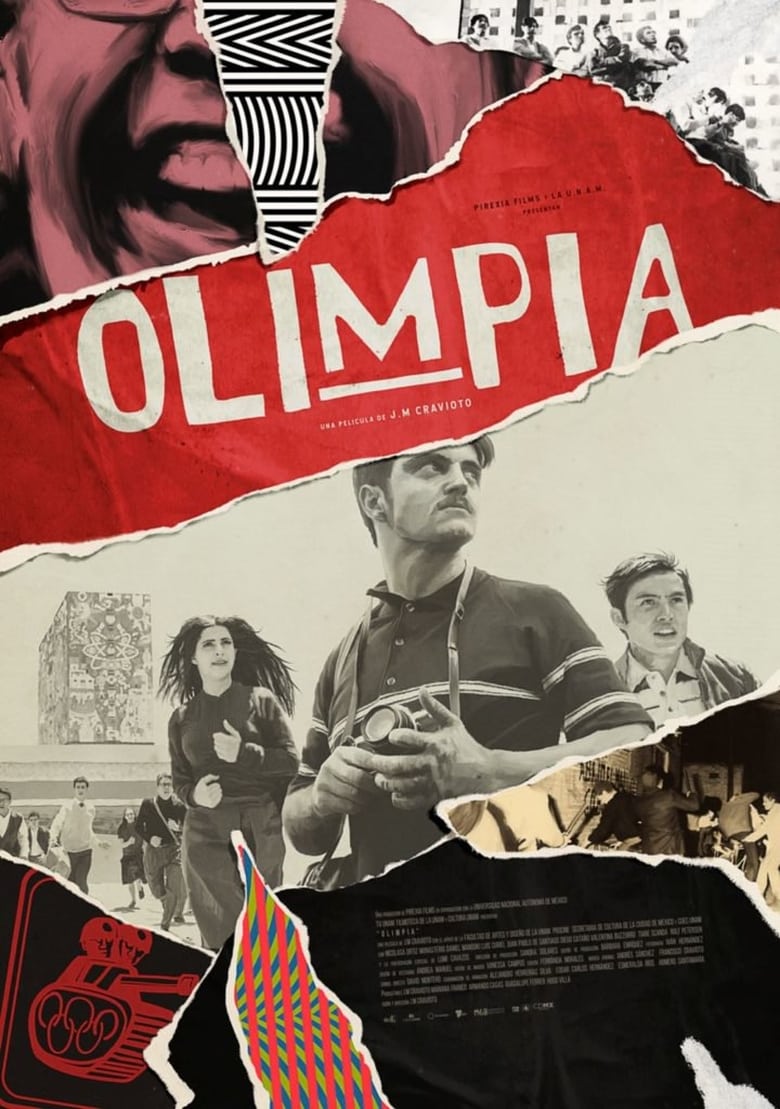
Olimpia
2018
TV-14Director
José Manuel Cravioto
Runtime
75 minutes
Average Rating
No ratings yetSynopsis
The film tells the story of Raquel, Rodolfo and Hernán, members of a brigade at the UNAM during the student movement in Mexico in 1968. Through their photographs, films and writings, we will know the history of the day that the army took the university and how their students united, shouted and never forgot.
Where to Watch
Diversity & Representation
Overall Score
Good
Category Breakdown
LGBTQ+ Representation
The film offers implicit representation through the communal living and collective struggle of the student movement. While specific queer identities are not explicitly detailed, the social structures of the era suggest non-traditional bonds.
Gender Representation
The narrative centers female agency by placing women like Raquel at the heart of the political struggle. It successfully challenges tropes of passivity, portraying women as active architects of resistance.
Racial & Ethnic Diversity
The film provides an authentic centering of Mexican identity and the UNAM landscape. It avoids a Western-centric gaze by prioritizing a localized, non-Anglo-Saxon perspective of historical resistance.
Religious & Cultural Diversity
The story is deeply rooted in a critique of institutional power and state authority. It prioritizes the subjective truths of students through their own media, emphasizing collective agency over individualistic narratives.
Disability Representation
There is no explicit evidence of characters with visible or invisible disabilities. The narrative focus remains strictly on the political and social dynamics of the student brigade.
Strengths
- Authentic centering of Mexican identity and socio-political history.
- Strong portrayal of female agency and intellectual leadership.
- Effective critique of institutional power and state oppression.
Areas for Improvement
- Lack of explicit representation for characters with disabilities.
- Absence of clearly defined LGBTQ+ identities within the narrative.
AI Analysis
Olimpia excels at dismantling traditional power hierarchies by centering the Mexican student movement of 1968. By utilizing archival-style storytelling, the film provides a localized perspective that resists Western-centric historical tropes. The film's strength lies in its portrayal of female intellect and courage within a revolutionary context. It moves beyond domestic archetypes to show women as essential political actors. However, the film lacks explicit representation regarding disability and specific LGBTQ+ identities. While the communal nature of the movement suggests diverse social bonds, these elements remain largely implicit rather than overt.
Rate this Movie
Reviews
No reviews yet. Be the first to share your thoughts on this movie!
Use the rating form above to leave a star rating and optional review.