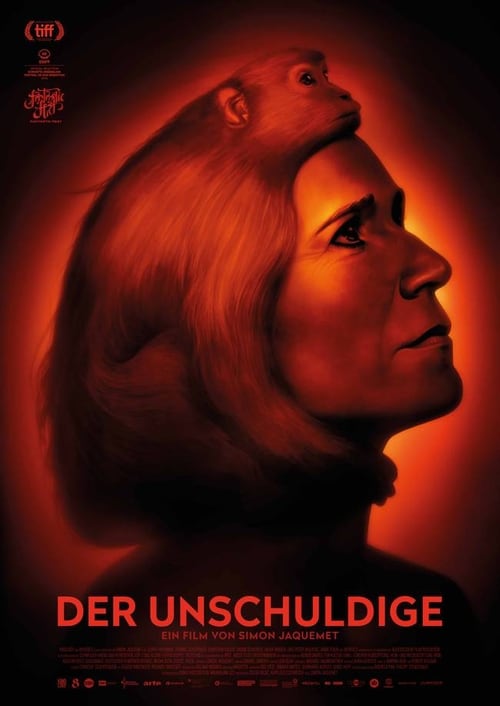
The Innocent
2018
No user ratings available yet
Representation score: 6.6 out of 10
Representation Score
Fair
2008
Not RatedDirector
Erik Poppe
Runtime
115 minutes
Average Rating
No ratings yetNew Showbiz Analysis
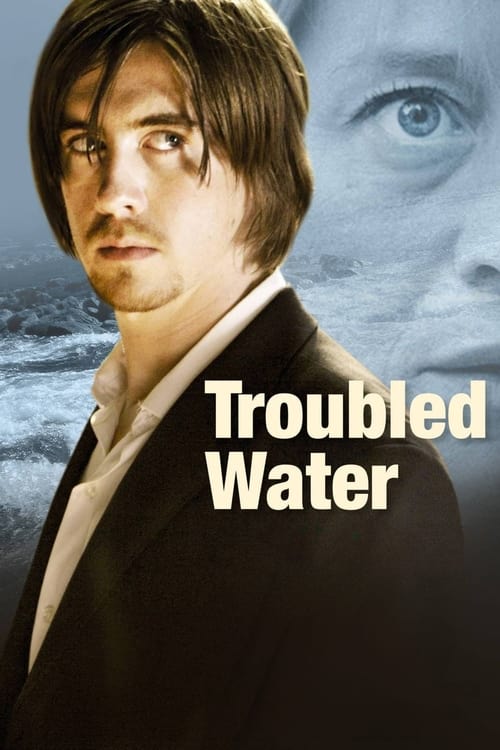
Troubled Water is a character-driven drama set in a historical context that explores social hierarchies. Its main strength lies in its nuanced examination of queer identity and the tension between the individual and the state. The film effectively uses identity as a central theme rather than a secondary characteristic. By focusing on the internal struggles of its protagonist, it offers a deep look at self-acceptance during a restrictive era. However, the film's narrow focus on a specific time and place limits its racial and ethnic diversity. While historically accurate, the lack of multi-layered diversity restricts a broader social critique.
Category Breakdown
The film focuses on a young man exploring his sexuality in 1970s Norway. It goes beyond including a single LGBTQ character to delve into the conflicts between personal identity and societal expectations.
The story challenges traditional masculinity by highlighting a protagonist who defies the rigid gender norms of the 1970s. It examines the social pressures placed on men who don't conform to typical masculine roles.
The cast is primarily made up of actors representing the same ethnic background, reflecting the demographics of the time but lacking in racial or ethnic diversity.
The narrative critiques the social structures and religious expectations of mid-century Western society. It emphasizes individual authenticity over adherence to traditional institutions and authority.
There is no significant portrayal of visible or invisible disabilities as central plot drivers or character traits.
Present on Screen
Limited or Absent
Official Synopsis
A man with a troubled past is released on parole. He finds work as a church organist and develops a rewarding relationship with a priest and her young son. However, his past soon catches up with him.
2018

2013

2009

2003

2021
2018
2008
2010
No reviews yet. Be the first to share your thoughts on this movie!
Use the rating form above to leave a star rating and optional review.