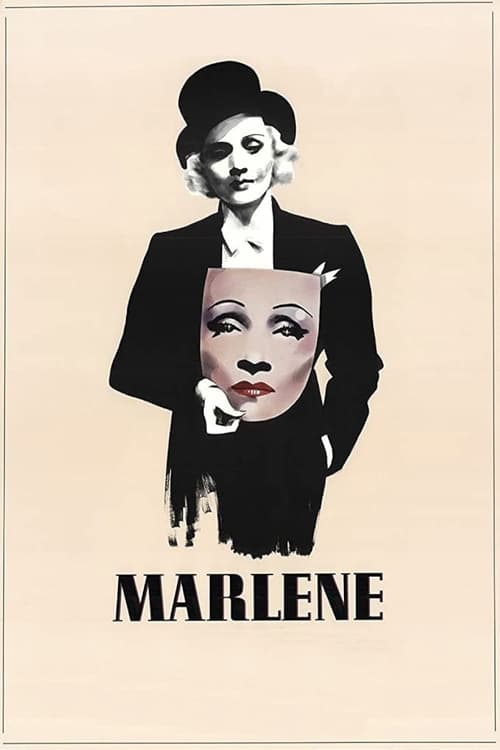
Marlene
1984
No user ratings available yet
Representation score: 5.1 out of 10
Representation Score
Good
2002
NRDirector
David Riva
Runtime
100 minutes
Average Rating
No ratings yetNew Showbiz Analysis
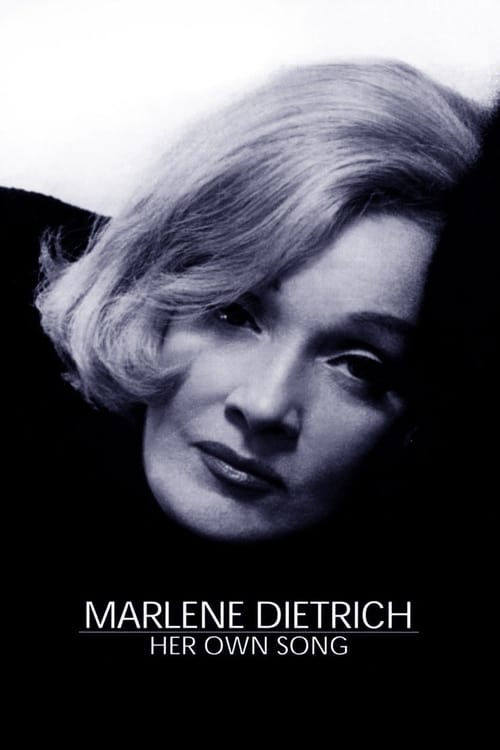
Marlene Dietrich: Her Own Song is a biographical study that presents Dietrich as a disruptive figure challenging mid-20th-century social norms and gender expectations. The film excels in exploring Dietrich's subversion of traditional gender roles and her impact on social hierarchies. The documentary effectively delves into Dietrich's personal and political influence, providing a nuanced view of her identity and actions. However, it offers limited insight into systemic racial or cultural dynamics, maintaining a focus on her individual biography rather than broader societal structures.
Category Breakdown
The film highlights Marlene Dietrich's non-traditional personal life, focusing on her complex private relationships and her rejection of conventional domestic roles.
The documentary showcases Dietrich's defiance of traditional gender roles. It uses her masculine tailoring and onscreen costumes to demonstrate a clear break from the typical feminine stereotype.
The film recognizes Dietrich's history of crossing racial and cultural boundaries within Hollywood. However, it focuses primarily on her individual journey rather than broader systemic racial issues.
The narrative examines Dietrich's opposition to the Nazi regime through the lens of personal ethics and global conflict. It portrays her identity as shaped by both personal morals and the larger geopolitical context.
There is no significant evidence regarding the portrayal of physical or neurodivergent disabilities as central narrative elements.
Present on Screen
Limited or Absent
Official Synopsis
The films, affairs and struggles of the iconic star of The Blue Angel as told by Rosemary Clooney, Roger Corman, Deanna Durbin and many more.
1984

2018

2011

2018
2023

2005

2006

1994
No reviews yet. Be the first to share your thoughts on this movie!
Use the rating form above to leave a star rating and optional review.