
She
1935
No user ratings available yet
Representation score: 1.4 out of 10

Representation Score
Limited
1936
Director
Vladimir Vaynshtok, David Gutman
Runtime
83 minutes
Average Rating
No ratings yetNew Showbiz Analysis
Capt. Grant's Family is a traditional 1936 adventure film that closely follows the literary traditions of Jules Verne. The story centers on a family's quest, reinforcing the social and familial structures of the time. Despite its global settings, the film lacks complexity in representing different cultures and genders, which remain tied to the era's standard clichés of Western exploration and heroism. Overall, the film serves as a typical adventure piece of its period. It does not intentionally challenge social hierarchies or provide diverse character's ability to drive the story, resulting in limited diversity.
Category Breakdown
The film does not include any LGBTQ+ characters or stories that go beyond the assumption that everyone is straight or cisgender. The plot revolves around a family searching for a missing patriarch.
The story includes both a son and a daughter, giving the female characters some influence. However, their roles probably align with traditional gender dynamics typical of the era.
Although the journey covers Patagonia, Australia, and New Zealand, the film seems to use these locations primarily as scenic backdrops. It follows the colonial-adventure clichés of the time.
As an adaptation of Jules Verne, the film emphasizes Western ideas of heroism and exploration. It upholds traditional values without challenging contemporary social structures.
The film does not feature any characters with visible or invisible disabilities.
Present on Screen
Limited or Absent
Official Synopsis
The son and daughter of a lost-at-sea captain recruit help to find him on the basis of an incomplete note found in a bottle, and encounter adventures in Patagonia, Australia, and New Zealand.
1935

1959

2011

1956
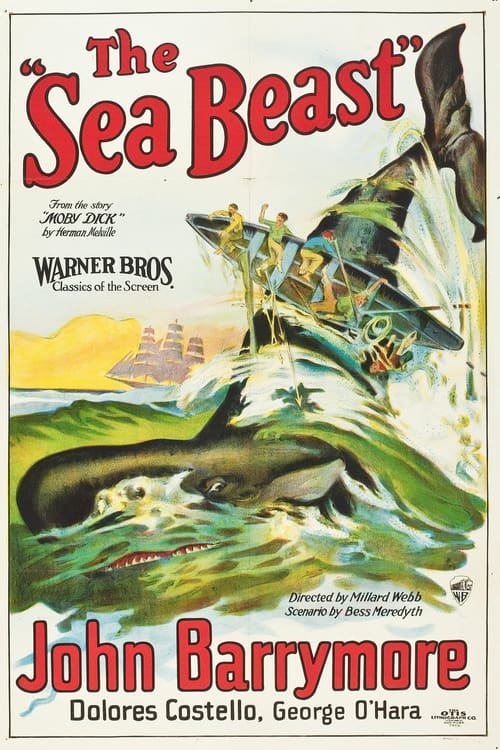
1926

1968
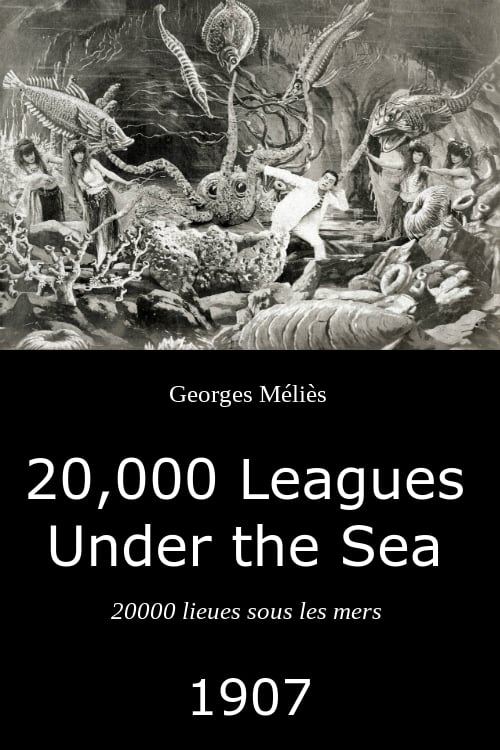
1907

1921
No reviews yet. Be the first to share your thoughts on this movie!
Use the rating form above to leave a star rating and optional review.