
Ho Mann Jahaan
2015
No user ratings available yet
Representation score: 3.0 out of 10
Representation Score
Fair
2013
Director
Meenu Gaur, Farjad Nabi
Runtime
115 minutes
Average Rating
No ratings yetNew Showbiz Analysis
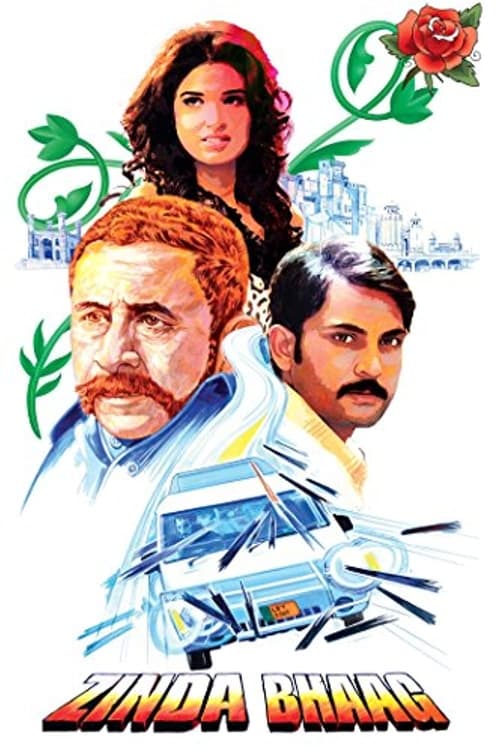
Zinda Bhaag is a film that emphasizes class struggle over identity-based issues. It successfully offers a culturally specific perspective by focusing on the South Asian experience in an urban setting. However, the film operates within a traditional framework, focusing heavily on the male experience and responsibilities. This limits the scope of its social commentary. While it offers a meaningful critique of systemic economic pressures, it does not actively challenge established gender hierarchies or include diverse LGBTQ+ or disability-related narratives.
Category Breakdown
The film follows traditional family structures and social norms, with no representation of non-binary gender identities or narratives that question established norms.
The story centers on the male experience and the pressures of unemployment. Women appear in domestic or romantic roles but do not have significant control over the main plot.
The film provides an authentic look at South Asian identity by focusing on the Indian middle class and the urban landscape of Mumbai.
The story examines the tension between personal integrity and capitalist pressures, highlighting the challenge of upholding traditional values amid modern economic hardships.
There are no prominent portrayals of physical or neurodivergent disabilities. The narrative focuses solely on socioeconomic and psychological stressors related to social status.
Present on Screen
Limited or Absent
Official Synopsis
Three young men try to escape the reality of their everyday lives and succeed in ways they had least expected.
2015

2014

2017

2008

2015

2013
2015

2003
No reviews yet. Be the first to share your thoughts on this movie!
Use the rating form above to leave a star rating and optional review.