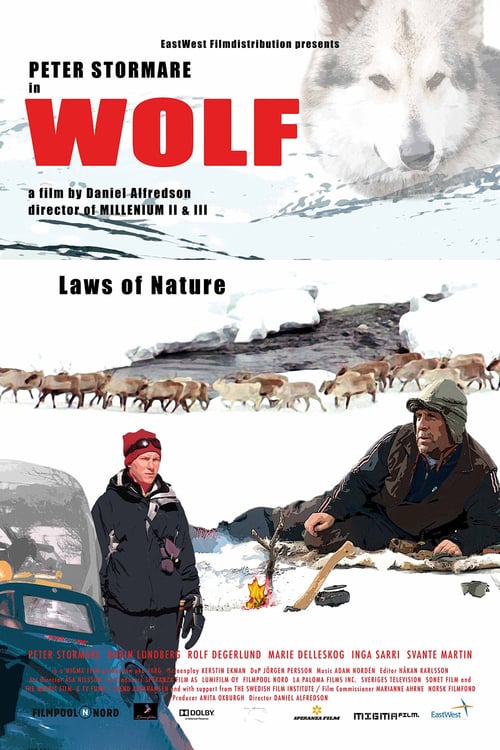
Wolf
2008
No user ratings available yet
Representation score: 3.9 out of 10
Representation Score
Excellent
2008
RDirector
Asif Kapadia
Runtime
89 minutes
Average Rating
No ratings yetNew Showbiz Analysis
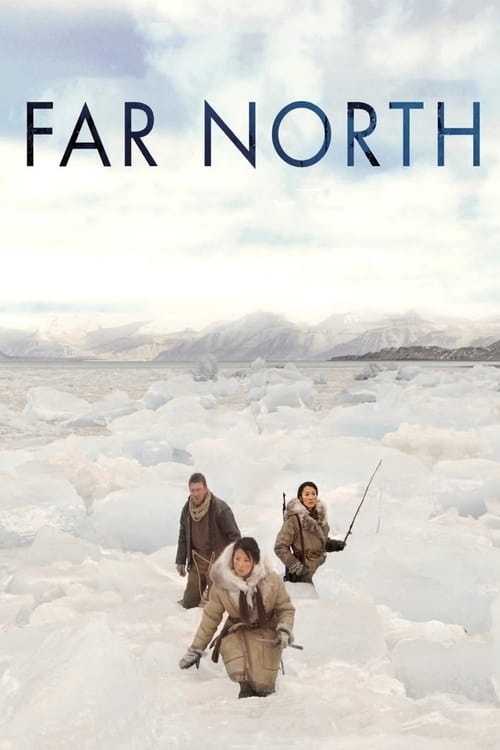
Far North is a compelling examination of indigenous survival and the tension between ancestral traditions and industrialization. Its strongest point is the authentic portrayal of Inuit voices and cultural nuances, moving beyond mere spectacle to offer a sophisticated post-colonial critique. While the film successfully highlights female autonomy and indigenous ability to act, it lacks depth in specific identity-driven stories. LGBTQ+ representation is missing, and disability is portrayed primarily as a survival issue rather than a nuanced character study. Overall, the film is a significant work that avoids Western-centric storytelling by focusing on the systemic pressures faced by Arctic communities.
Category Breakdown
The film does not include explicit LGBTQ+ narratives or characters with diverse gender identities. Unconventional family structures, such as Saiva adopting Anja, exist but do not explore queer identity.
Women's ability to drive the story and their resilience are key elements. They show autonomy within a nomadic lifestyle, but the film emphasizes ethnographic authenticity over challenging traditional gender roles.
The film stands out by focusing on Inuit perspectives and lived experiences. It avoids the outsider perspective by making indigenous culture the main driver of the story, challenging Anglo-centric storytelling.
The narrative explores post-colonial themes and the impact of global capitalism on indigenous cultures. It prioritizes a non-Western worldview, emphasizing the relationship between humans and the environment against industrial disruption.
Physical vulnerability is shown through Loki, an injured soldier, highlighting the importance of community support. However, these elements serve as survival plot points rather than detailed explorations of disability.
Present on Screen
Limited or Absent
Official Synopsis
In the arctic, as Saiva is being born, a shaman declares that she is evil and will bring harm to all who become involved with her. Saiva is cast out of her tribe of herders and grows up to live a nomadic existence with Anja, a young woman she adopts as an infant. Then Loki, an injured and starving soldier, stumbles into their isolated lives. The women nurse him back to health, but treachery, violence and doom await them all.
2008
2003

2019

2010

1995

2018

2009
2018
No reviews yet. Be the first to share your thoughts on this movie!
Use the rating form above to leave a star rating and optional review.