It Had to Be You
2000
No user ratings available yet
Representation score: 1.9 out of 10
Representation Score
Good
2009
Not RatedDirector
Stephen Burke
Runtime
104 minutes
Average Rating
No ratings yetNew Showbiz Analysis
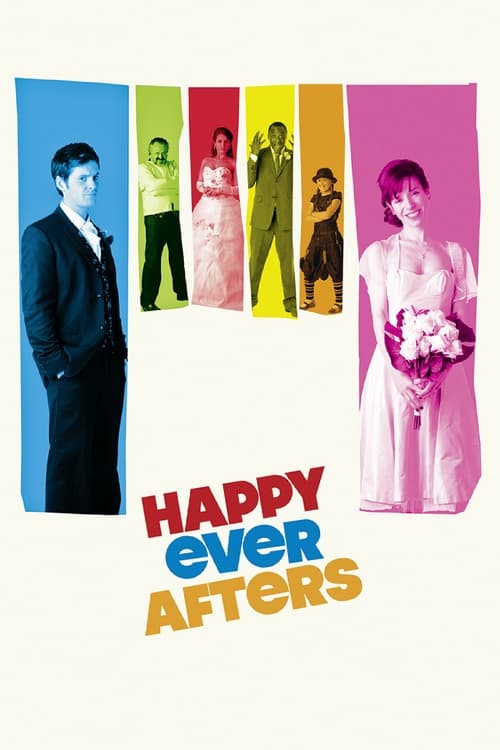
Happy Ever Afters centers on characters on the margins of social and economic stability. It avoids the polished perfection of traditional rom-coms, focusing instead on the messy realities of survival and displacement. The film excels in its empathetic portrayal of immigrants and economic precarity. By making an immigrant character central to the plot, the story grants him a significant role in driving the story rather than relegating him to the background. However, the film lacks depth in LGBTQ+ and disability representation. While Freddie's neurodivergent-adjacent traits offer a more complex masculinity, they function more as character quirks than deep explorations of neurodivergence.
Category Breakdown
The film lacks explicit LGBTQ+ identities or non-straight relationships. Instead, it focuses on the tension in unconventional partnerships.
Maura's role as a single mother dealing with economic struggles challenges traditional domestic ideals. Sophie's concern with appearance critiques conventional feminine roles.
Wilson, an immigrant, drives the central conflict. This avoids including someone from a minority group without giving them real depth by delving into the intersection of race, legal status, and economic hardship.
The story explores moral ambiguity around marriage of convenience. State institutions and immigration officers are portrayed as disruptive forces rather than stabilizers.
Freddie exhibits obsessive-compulsive-like behaviors. While this offers a nuanced take on masculinity, it remains a localized character trait.
Present on Screen
Limited or Absent
Official Synopsis
Two weddings collide when both receptions are held at one hotel.
2000

2025
2020

2019

2022
1997

2017
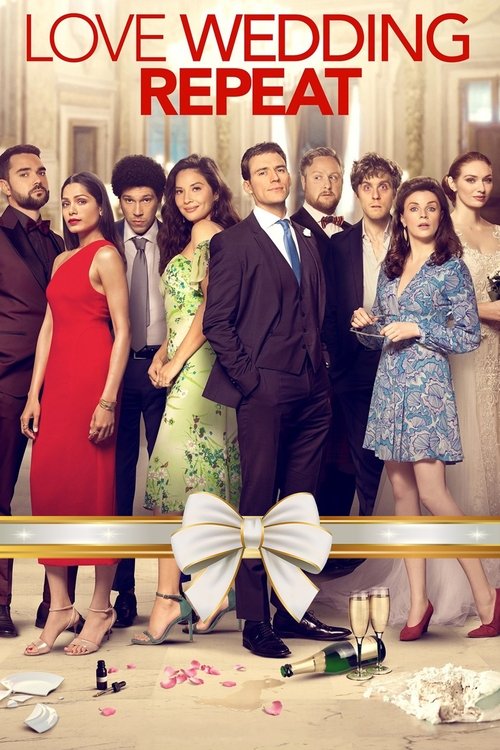
2020
No reviews yet. Be the first to share your thoughts on this movie!
Use the rating form above to leave a star rating and optional review.