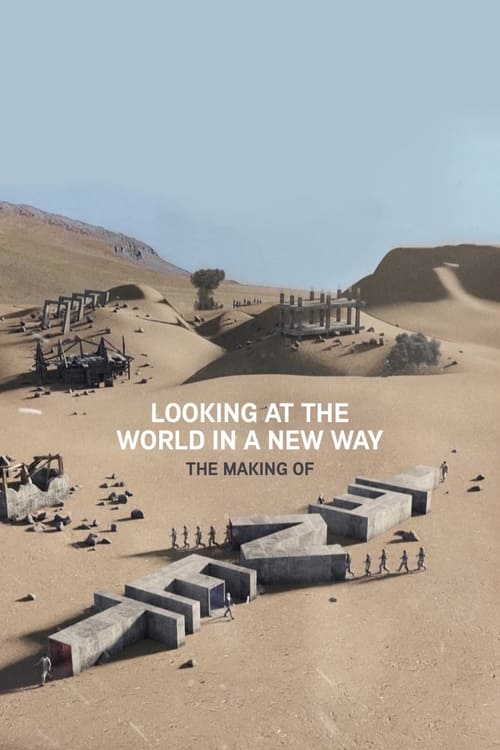
Looking at the World in a New Way: The Making of 'Tenet'
2020
No user ratings available yet
Diversity score: 3.2 out of 10
2016
Director
Eliot Rausch
Runtime
44 minutes
Average Rating
No ratings yetSynopsis
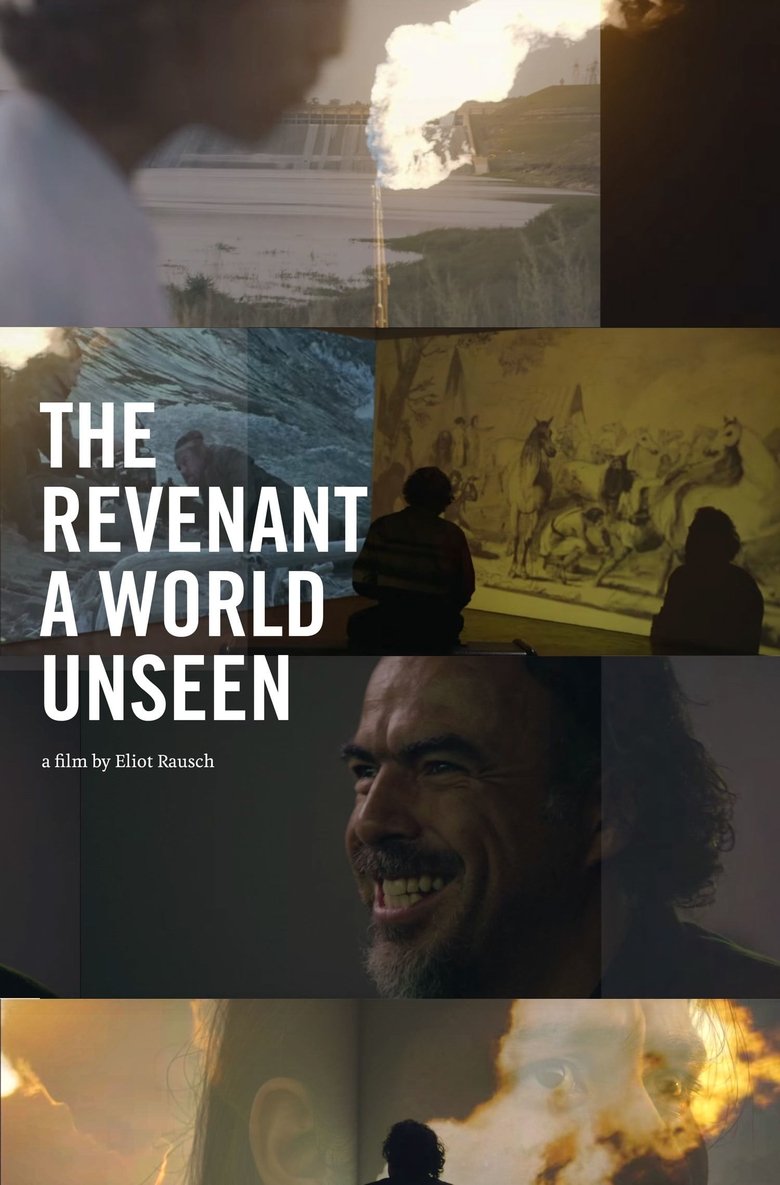
A new documentary directed by Eliot Rausch exploring the production of Alejandro G. Iñárritu's The Revenant
Overall Score
Fair
Category Breakdown
LGBTQ+ Representation
The documentary lacks LGBTQ+ character arcs or narratives. It functions as a behind-the-scenes look at film production without addressing heteronormativity.
Gender Representation
The score reflects the hyper-masculine archetypes of the subject film. There is little evidence of the documentary highlighting female agency or subverting production hierarchies.
Racial & Ethnic Diversity
The film explores the production of a diverse cast and crew. However, it does not inherently function as a vehicle for racialized narrative architecture.
Religious & Cultural Diversity
This technical study of filmmaking lacks evidence of deconstructing Western institutions. It prioritizes preserving cinematic history over critiquing systemic power dynamics.
Disability Representation
There is no information suggesting neurodivergence or physical disabilities are central themes. These topics are not addressed with specific agency within the work.
Strengths
Areas for Improvement
AI Analysis
This documentary serves as a technical and observational record of a major film's creation. Its primary focus is the mechanics of cinema rather than the exploration of intersectional lived experiences. Because the work prioritizes the production process over identity politics, it lacks the intentionality needed to subvert social hierarchies. The narrative architecture remains centered on filmmaking rather than social critique. Ultimately, the film acts as a historical document of a studio production, which limits its capacity for deep representation or systemic narrative subversion.
2020

2019

2015
2021
2006
2014

2021

2020
2005

2016
2009

2009
No reviews yet. Be the first to share your thoughts on this movie!
Use the rating form above to leave a star rating and optional review.