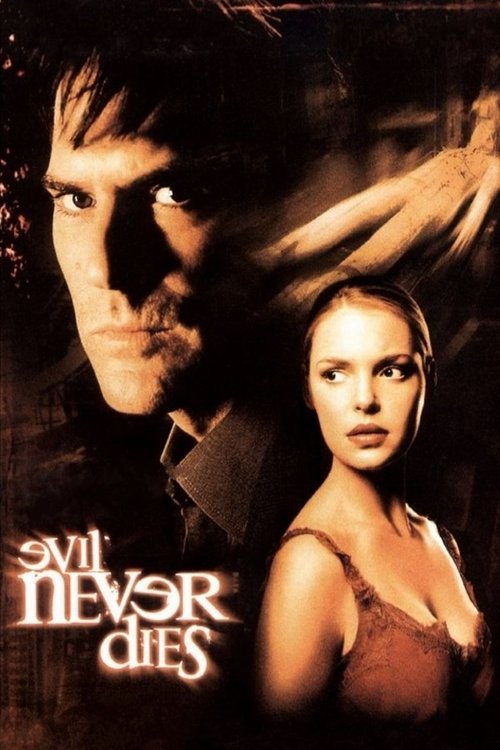
Evil Never Dies
2003
No user ratings available yet
Diversity score: 2.8 out of 10
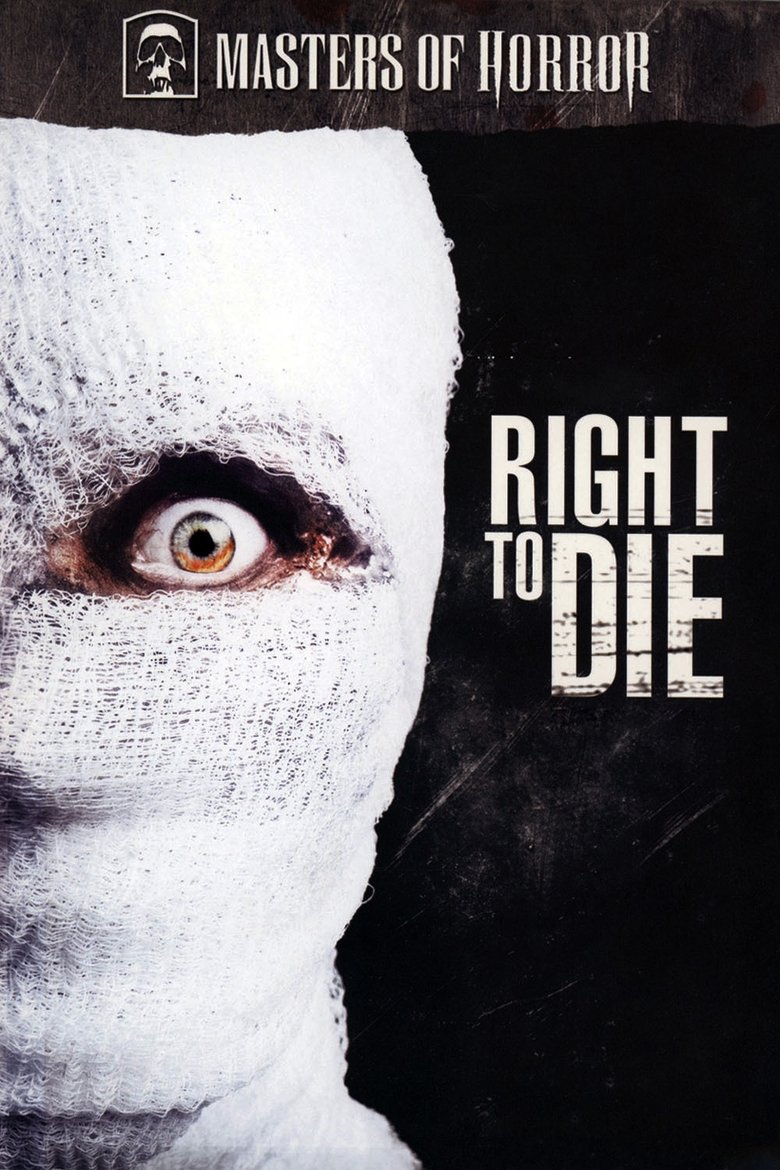
2007
TV-MADirector
Rob Schmidt
Runtime
58 minutes
Average Rating
No ratings yetSynopsis
When a grisly car accident put his wife into a coma, a man reluctantly pulls the plug only to realize her spirit has turned vengeful against the living.
Overall Score
Limited
Category Breakdown
LGBTQ+ Representation
The story focuses on a heterosexual marriage between a husband and wife. There is no evidence of same-sex intimacy or non-cisnormative identities.
Gender Representation
The film utilizes traditional gender roles, casting the male as the decision-maker and the female as a passive victim in a coma. Power shifts only when the spirit seeks vengeance.
Racial & Ethnic Diversity
The narrative lacks any indication of a diverse or non-Anglo-Saxon cast. It appears to follow the homogeneous casting patterns common in mid-2000s horror.
Religious & Cultural Diversity
While touching on end-of-life ethics, the film prioritizes supernatural horror over systemic critique. It frames mortality through personal tragedy rather than cultural deconstruction.
Disability Representation
A coma serves as the central plot device to trigger horror elements. This approach uses disability as a catalyst rather than exploring a character's lived experience.
Strengths
Areas for Improvement
AI Analysis
Right to Die operates as a conventional genre thriller that prioritizes suspense and supernatural tropes over social complexity. The narrative architecture relies heavily on traditional structures, centering on a heteronormative marital bond and standard gendered power dynamics. The film lacks intentionality regarding intersectional representation. Characters often serve functional roles within the horror framework—such as the incapacitated wife or the grieving husband—rather than representing diverse identities or challenging systemic norms. Ultimately, the storytelling focuses on the visceral elements of a vengeful spirit. It does not attempt to subvert cultural hierarchies or provide nuanced depictions of race, disability, or identity.
No reviews yet. Be the first to share your thoughts on this movie!
Use the rating form above to leave a star rating and optional review.