If I Think of Germany at Night
2017
No user ratings available yet
Representation score: 0.6 out of 10
Representation Score
Fair
2014
Director
Zuzanna Solakiewicz
Runtime
79 minutes
Average Rating
No ratings yetNew Showbiz Analysis
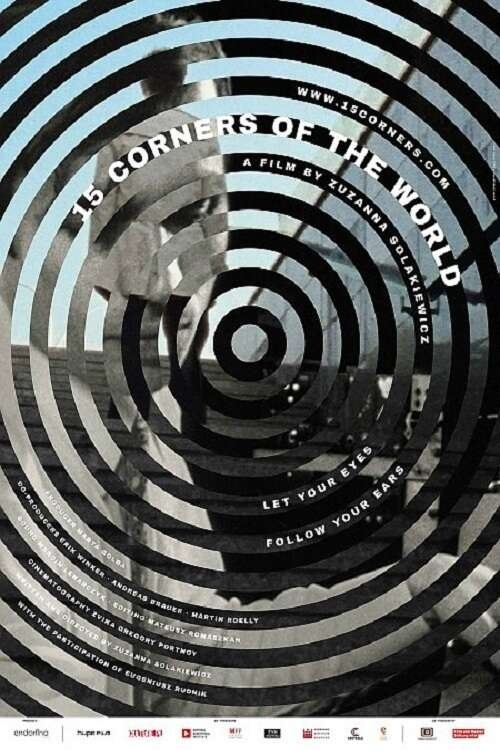
15 Corners of the World is a specialized exploration of experimental music that challenges conventional expectations. It elevates discarded and unconventional sounds, aligning with progressive values of honoring underrepresented voices. The film frames the scientific process of music creation as deeply humanistic, challenging standardized auditory experiences. Ultimately, the documentary remains a biographical and technical study of a specific historical movement, prioritizing sonic deconstruction over social commentary.
Category Breakdown
The documentary does not focus on LGBTQ+ identities but instead explores the technical and philosophical aspects of experimental music.
The film centers on Eugeniusz Rudnik, a male figure, but frames electronic music as a humanistic pursuit rather than a purely mechanical or masculine one.
This is a focused study of Polish radio history. While it does not feature a diverse cast, it emphasizes the universal human connection through sound.
The film highlights avant-garde artistic methods by prioritizing the 'rejected' and 'rough.' It critiques polished, capitalist aesthetics in favor of non-conformist views.
There is no evidence regarding the depiction of physical or neurodivergent disabilities within the film's context.
Present on Screen
Limited or Absent
Official Synopsis
Eugeniusz Rudnik revolutionized the idea of music itself with a pair of scissors and a magnetic tape. As part of the legendary Experimental Studio of Polish Radio, he revealed hidden value in rough and rejected sounds long before the rise of the DJs. In an era of electronic music created in a workshop resembling a scientific lab, he composed music to reach and to portray other human beings. This movie is an attempt to hear the vision of his music.
2017
2016
2009
2021
2013
2004
2016
2017
No reviews yet. Be the first to share your thoughts on this movie!
Use the rating form above to leave a star rating and optional review.