
Bloodlust Beauty
2019
No user ratings available yet
Representation score: 3.2 out of 10
Representation Score
Good
2023
13+Director
Bram Ferino
Runtime
107 minutes
Average Rating
No ratings yetNew Showbiz Analysis
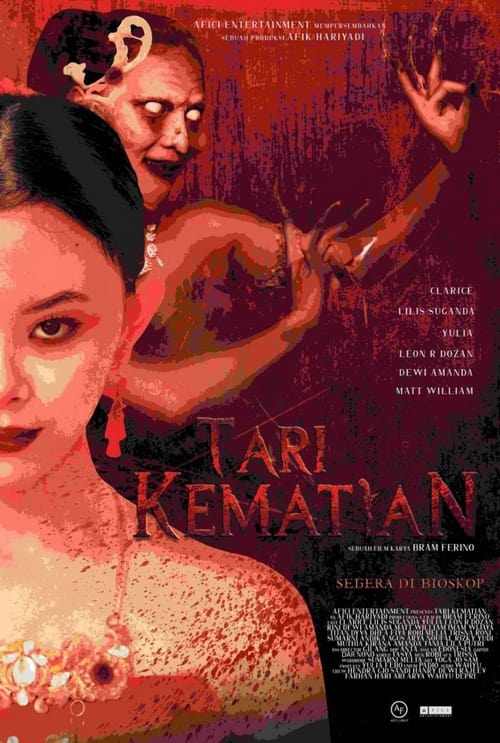
Tari Kematian provides a nuanced exploration of Indonesian cultural mysticism and the breakdown of traditional family structures. By focusing on a forbidden local dance, the film avoids Western storytelling clichés and embraces regional identity. While the film successfully presents psychologically complex female characters, it remains limited in its representation of diverse identities. The absence of LGBTQ+ themes and the ambiguous handling of mental health issues prevent a higher diversity score. Overall, the film is a study of cultural specificity and domestic instability, offering a more complex view of womanhood and tradition compared to typical horror films.
Category Breakdown
The film does not include any explicit LGBTQ+ characters or non-cisgender identities. The narrative stays within the assumption that everyone is straight or cisgender.
The story focuses on women's empowerment through Kinara's journey and Diah's psychological complexity. It challenges traditional stereotypes by presenting a mother who disrupts rather than conforms to conventional nurturing roles.
The film is rooted in Indonesian culture, using local traditions and mysticism as central themes. This approach prioritizes regional practices over a Western perspective.
The narrative explores moral ambiguity through a forbidden dance and questions the stability of the nuclear family. It portrays traditional institutions as potential sources of dysfunction.
Diah’s delusional disorder introduces mental health issues into the main storyline. This inclusion shifts the story away from purely able-bodied perspectives.
Present on Screen
Limited or Absent
Official Synopsis
Kinara (Clarice Cutie), a class X high school student, dreams of becoming a skilled dancer like her mother. Meanwhile, her mother, Diah (Lilis Suganda), has had a delusional disorder since her husband left. Diah did not support Kinara's decision to become a dancer. In addition, Kinara was not very good at dancing, so she was often made fun of by her friends at the school's dance studio. A strange incident happened to him when he was on a study tour to an island. He learns an ancient dance that is forbidden because it is considered deadly. His return from the island made him a good dancer. However, it actually puts the lives of his friends and loved ones at risk.
2019

2016
2023

2017
2018
2019
2017
2023
No reviews yet. Be the first to share your thoughts on this movie!
Use the rating form above to leave a star rating and optional review.