Destiny
1977
No user ratings available yet
Representation score: 2.6 out of 10
Representation Score
Limited
1975
Director
Yevgeny Matveyev
Runtime
95 minutes
Average Rating
No ratings yetNew Showbiz Analysis
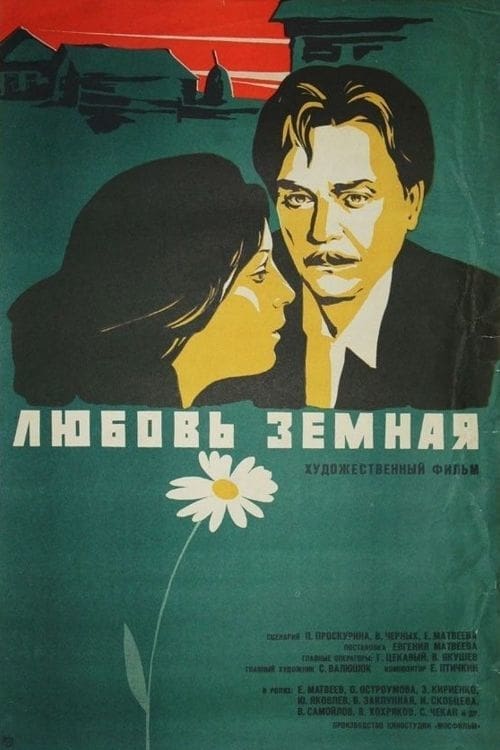
Earthy Love is a period drama that prioritizes the collective Soviet experience over individual identity politics. It functions as a study of social organization, where characters are defined by their relationship to the state and the land. While the film lacks modern diversity markers like LGBTQ+ representation or multi-ethnic casting, it offers a strong cultural critique of Western-style individualism. It replaces bourgeois morality with a focus on communal interdependence and the shared labor of the collective farm. Ultimately, the film's representation is shaped by the socio-political constraints of the 1930s Soviet era, favoring social class and political role over diverse personal identities.
Category Breakdown
The film focuses on traditional romantic pairings and family structures within the 1930s Soviet countryside. There are no depictions of LGBTQ+ identities or same-sex relationships.
Female characters hold administrative positions, such as a District Party Committee secretary. However, their influence remains closely tied to relationships with male authority figures and traditional hierarchies.
The casting reflects the demographic homogeneity of the Soviet rural landscape during this period. The narrative prioritizes class and social standing over racial or ethnic diversity.
The film emphasizes collective identity over Western individualism. It centers on the Soviet social model, where the community and the land are the primary units of value.
There is no focus on visible or invisible disabilities. The story prioritizes the physical vigor required for agricultural and political life in the 1930s.
Present on Screen
Limited or Absent
Official Synopsis
A life of a few people during the years before WWII before the events shown in "Destiny" (1977).
No reviews yet. Be the first to share your thoughts on this movie!
Use the rating form above to leave a star rating and optional review.