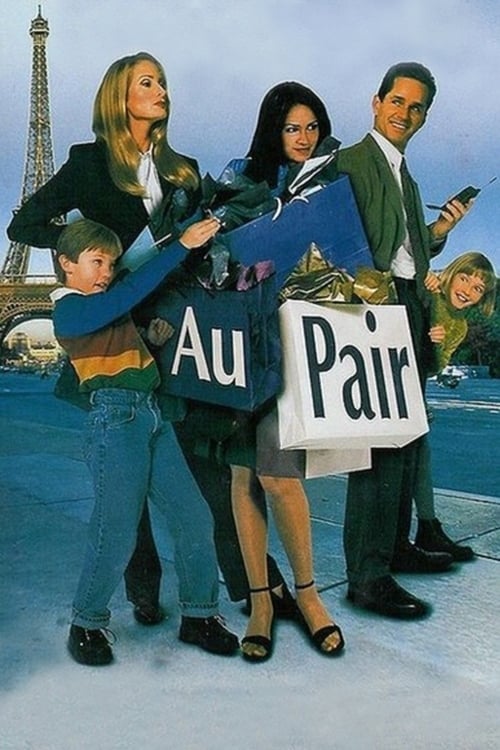
Au Pair
1999
No user ratings available yet
Representation score: 1.4 out of 10
Representation Score
Limited
2001
Director
Mark Griffiths
Runtime
97 minutes
Average Rating
No ratings yetNew Showbiz Analysis
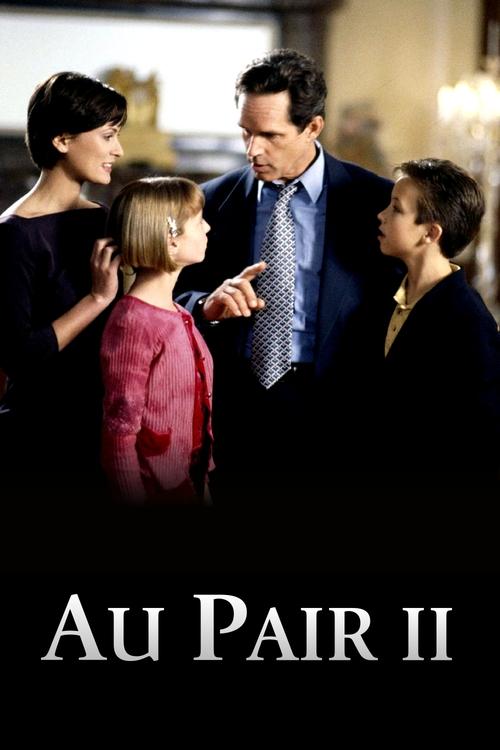
Au Pair II adheres closely to the genre clichés of its time, relying on established social structures and romantic formulas. The narrative emphasizes corporate mergers and traditional family dynamics, suggesting a mainstream approach to storytelling. It prioritizes stability and professional success within a Western context, offering limited multi-layered or diverse perspectives. Ultimately, the film reflects the typical television movie landscape of 2001, favoring familiar roles and traditional storytelling over social or cultural disruption.
Category Breakdown
The film follows traditional heterosexual storylines typical of romantic comedies. There is no depiction of same-sex relationships or non-binary gender identities.
The female protagonist actively manages both work and home life, but the story relies on traditional gender roles. The father and nanny roles reinforce conventional hierarchies.
The narrative centers on a corporate merger involving a European company. However, the cast seems to follow early-2000s casting norms without confirmed multicultural backgrounds.
The story operates within a traditional Western framework focused on corporate and family stability. It does not provide critiques of Western institutions or diverse cultural perspectives.
No visible or invisible disabilities are mentioned among the main characters or the central plot.
Present on Screen
Limited or Absent
Official Synopsis
A father and the former nanny to his children prepare a merger between his company and a European conglomerate.
1999

2006

2019

2008
2013

2009

2022

2001
No reviews yet. Be the first to share your thoughts on this movie!
Use the rating form above to leave a star rating and optional review.