
Give Me Your Hand
2008
No user ratings available yet
Diversity score: 5.0 out of 10
2012
NRDirector
Michel Gondry
Runtime
103 minutes
Average Rating
No ratings yetSynopsis
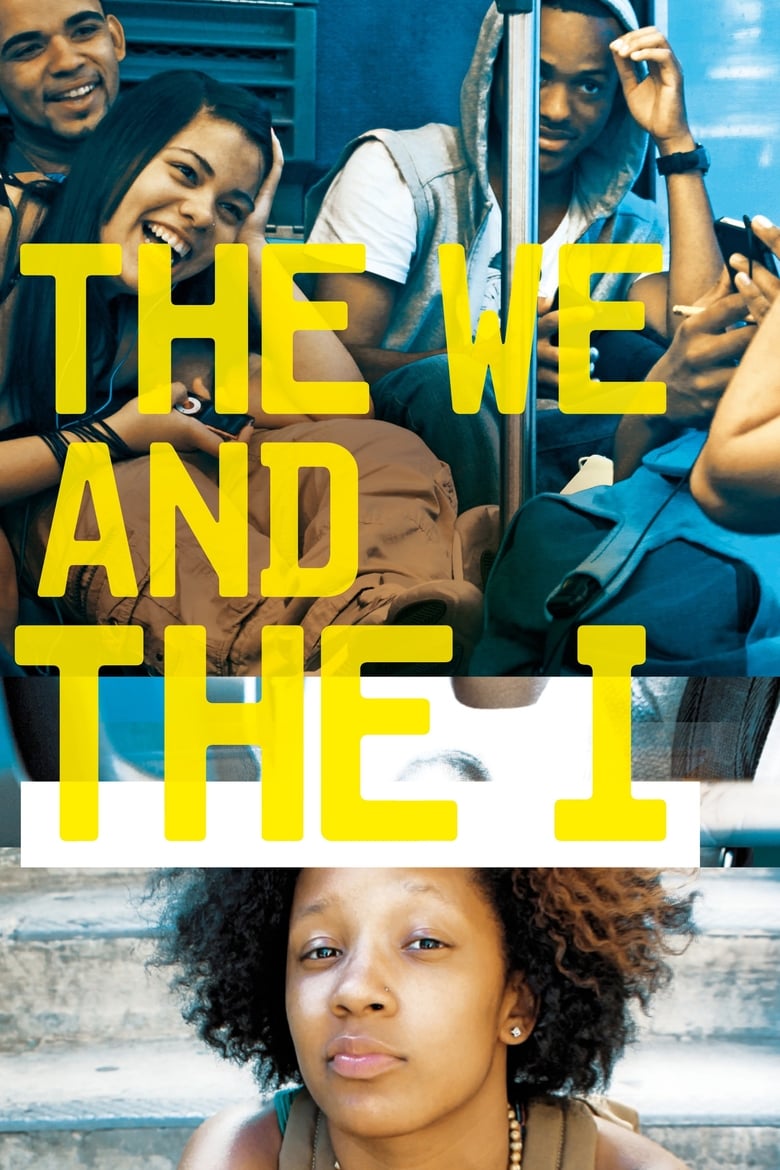
The We and the I is the heartfelt and comical story of the final bus ride home for a group of young high school students and graduates.
Overall Score
Fair
Category Breakdown
LGBTQ+ Representation
The film focuses on the psychological mechanics of collective consciousness rather than queer identity. There is a lack of explicit non-cisnormative gender identities or queer romantic arcs.
Gender Representation
Men and women occupy an equal psychological playing field within the experiment. The narrative avoids traditional masculine or feminine archetypes, focusing instead on the fluidity of the self.
Racial & Ethnic Diversity
The cast is predominantly white and European, reflecting the contemporary French setting. The film lacks significant racial or ethnic intersectionality, maintaining a relatively homogeneous social landscape.
Religious & Cultural Diversity
The story functions as a postmodern critique of Western individualism. It prioritizes scientific and psychological inquiry over religious or traditional institutional morality.
Disability Representation
There is no prominent depiction of visible or invisible disabilities. The film explores psychological fragmentation metaphorically rather than through lived experiences of neurodivergence or physical impairment.
Strengths
Areas for Improvement
AI Analysis
Michel Gondry’s film is a cerebral, postmodern exploration of identity that prioritizes philosophical inquiry over demographic representation. It succeeds in deconstructing the concept of the autonomous individual, yet it remains limited by a lack of intersectional diversity. The narrative architecture challenges conventional Western social structures by focusing on the tension between the collective and the self. However, the social landscape remains largely homogeneous. While the film disrupts traditional gender hierarchies, it does not engage in overt political or systemic critiques regarding race, LGBTQ+ identity, or disability.
2008

2025

2010
2012

2014
1998

2018

2013

1999
2004

1998

2013
No reviews yet. Be the first to share your thoughts on this movie!
Use the rating form above to leave a star rating and optional review.