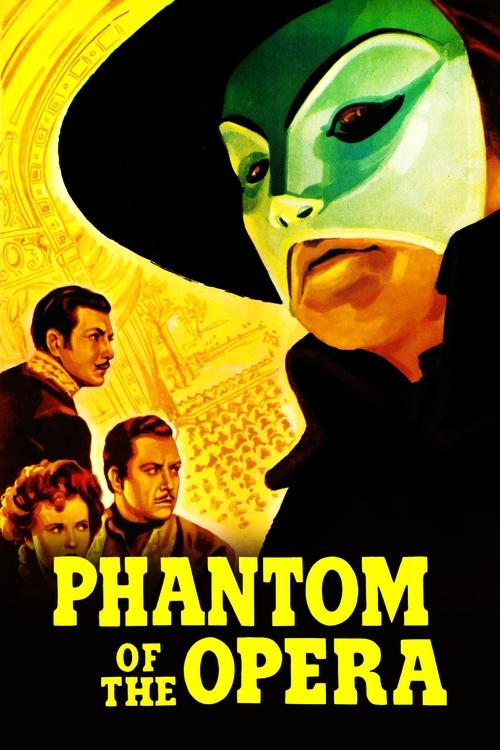
Phantom of the Opera
1943
No user ratings available yet
Representation score: 1.8 out of 10

Representation Score
Fair
1937
Not RatedDirector
Weibang Ma-Xu
Runtime
113 minutes
Average Rating
No ratings yetNew Showbiz Analysis
Song at Midnight serves as a fascinating cultural translation, taking the Phantom of the Opera archetype and localizing it for a Chinese audience. This reclamation of Western clichés demonstrates significant cultural ability to act for the era. However, the film remains bound by the period's traditional hierarchies. The narrative relies heavily on established gendered archetypes, often positioning the female lead as a subject of male-driven terror rather than an independent actor. Ultimately, the film reflects a transitional cinematic period. It balances the disruption of Western cultural hegemony with the conservative social structures prevalent in 1930s melodrama.
Category Breakdown
The film follows a traditional romantic melodrama structure. There is no clear indication of queer subtext or non-straight identities within the main storyline.
The story focuses on a young female lead, but her role is limited. She often functions as a damsel in distress or an object of male obsession.
This production reclaims a Western archetype by re-contextualizing it within a Chinese theatrical framework. While the cast is ethnically uniform, the adaptation asserts cultural ability to act.
The narrative explores themes of subjective morality through a misunderstood villain. It adheres to standard 1930s dramatic conventions without clear secularist or anti-capitalist themes.
There is insufficient evidence to determine how physical or psychological instability is portrayed. It remains unclear if such traits are handled with ability to act or used as plot devices.
Present on Screen
Limited or Absent
Official Synopsis
In this Chinese version of The Phantom of the Opera, the mysterious Song Danping terrorizes the newly rebuilt opera house and its young star.
1943
1925
1995

1923
1960
1962
1951
1939
No reviews yet. Be the first to share your thoughts on this movie!
Use the rating form above to leave a star rating and optional review.