
Cueste lo que cueste
2008
No user ratings available yet
Diversity score: 6.3 out of 10
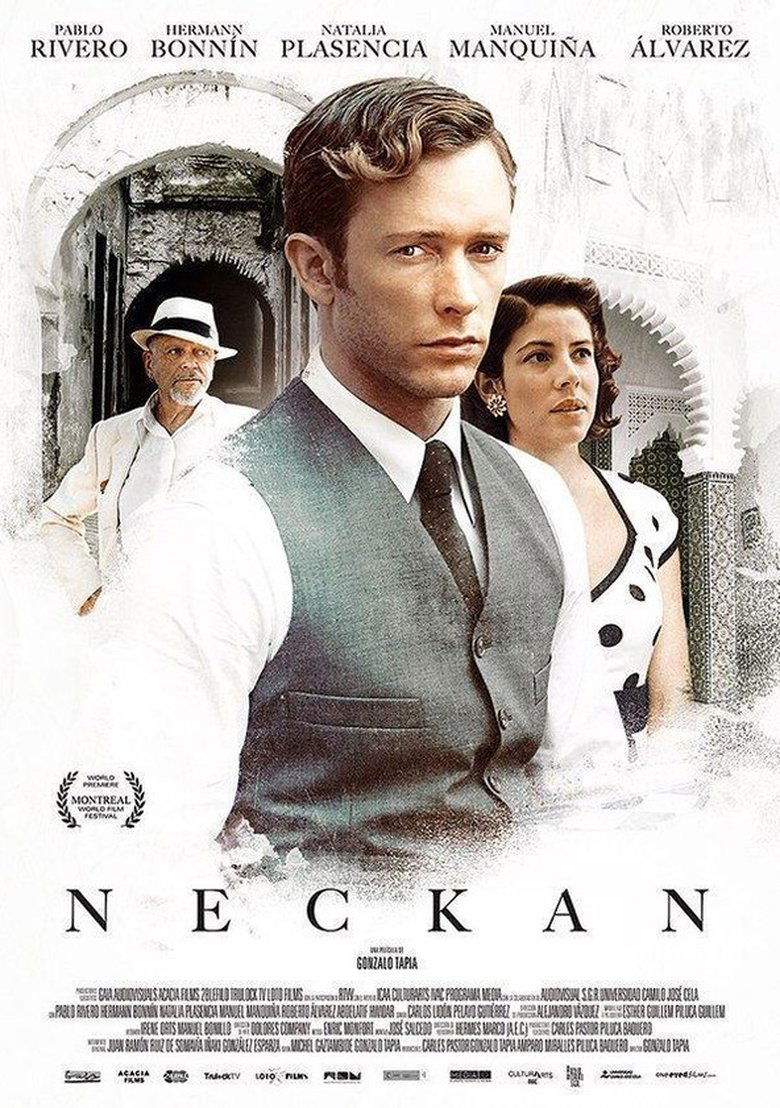
2017
TV-14Director
Gonzalo Tapia
Runtime
95 minutes
Average Rating
No ratings yetOverall Score
Fair
Category Breakdown
LGBTQ+ Representation
The film lacks explicit depictions of queer identities or non-cisnormative arcs. It maintains a neutral baseline typical of period dramas without confirmed same-sex intimacy.
Gender Representation
Natalia Plascencia holds a top-billed role, suggesting a central female presence. The 1950s setting likely explores the tension between traditional hierarchies and female agency.
Racial & Ethnic Diversity
The cast features diverse ethnic markers, including Abdelatif Hwidar and Roberto Álvarez. The focus on colonialism suggests a narrative centered on the power dynamics of different ethnic groups.
Religious & Cultural Diversity
The 1950s colonialist setting provides a framework to critique Western power structures. It examines the friction between imperial institutions and the populations they governed.
Disability Representation
There is no evidence of characters navigating physical or invisible disabilities. The production credits and thematic keywords do not identify any neurodivergent or disabled representation.
Strengths
Areas for Improvement
AI Analysis
Neckan is a period drama that leverages a 1950s colonial setting to examine identity and systemic power. Its primary strength is its racial composition, which avoids a monolithic, Anglo-centric perspective by featuring a diverse cast and addressing colonial themes. However, the film lacks specific representation for LGBTQ+ individuals and characters with disabilities. While the historical context offers a platform for social critique, the narrative does not currently provide visible anchors for these specific identities. Ultimately, the film succeeds in disrupting traditional historical narratives through its ethnic diversity, even as it remains quiet on other intersectional fronts.
2008

2021

2011

2016

2015
2021
1996

2020

2019
1989
2007

2014
No reviews yet. Be the first to share your thoughts on this movie!
Use the rating form above to leave a star rating and optional review.