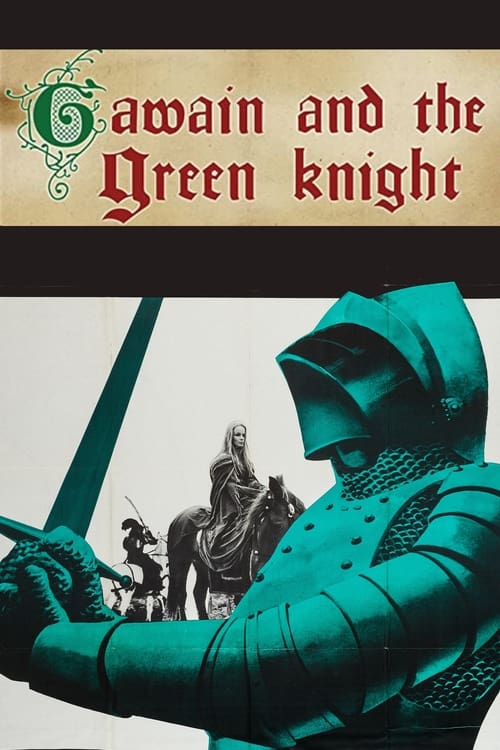
Gawain and the Green Knight
1973
No user ratings available yet
Representation score: 3.0 out of 10
Representation Score
Limited
2002
Director
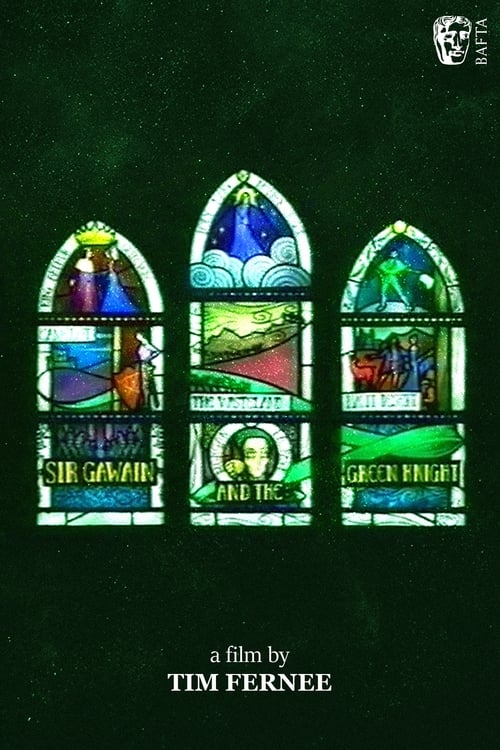
Tim Fernee
Runtime
25 minutes
Average Rating
No ratings yetNew Showbiz Analysis
This animated adaptation prioritizes aesthetic formalism and the faithful translation of a 14th-century poem into a stained-glass visual style. Consequently, the film remains tied to the historical and literary constraints of its source material. The production reflects traditional Western cultural hierarchies and conventional gender roles. It serves more as a specialized artistic preservation of classical text than a platform for contemporary diverse storytelling. Because the narrative is rooted in Arthurian legend, it lacks the broad representation found in more modern, diverse character studies.
Category Breakdown
The film focuses on the chivalric code and the encounter between Gawain and the Green Knight. There are no LGBTQ+ characters or non-straight relationships.
The film explores the testing of masculine virtue and the influence of female figures like Lady Bertilak. While it examines temptation and the role of women, it adheres to traditional medieval gender roles.
Set in a medieval European context, the film maintains a culturally homogeneous aesthetic. The stained-glass visual style reinforces traditional Western historical clichés without showing diverse ethnic groups.
This adaptation preserves Western literary heritage, emphasizing honor and morality within a feudal social order. It does not include secularist or anti-capitalist critiques.
There are no characters in the primary narrative arc who portray physical, sensory, or neurodivergent disabilities.
Present on Screen
Limited or Absent
Official Synopsis
A reworking of the 14th century Arthurian medieval poem as an animated film styled to look like stain glass windows.
1973

2000
1998
1981

2003

1998
1984

2024
No reviews yet. Be the first to share your thoughts on this movie!
Use the rating form above to leave a star rating and optional review.