Deep Dark
2015
No user ratings available yet
Diversity score: 1.5 out of 10
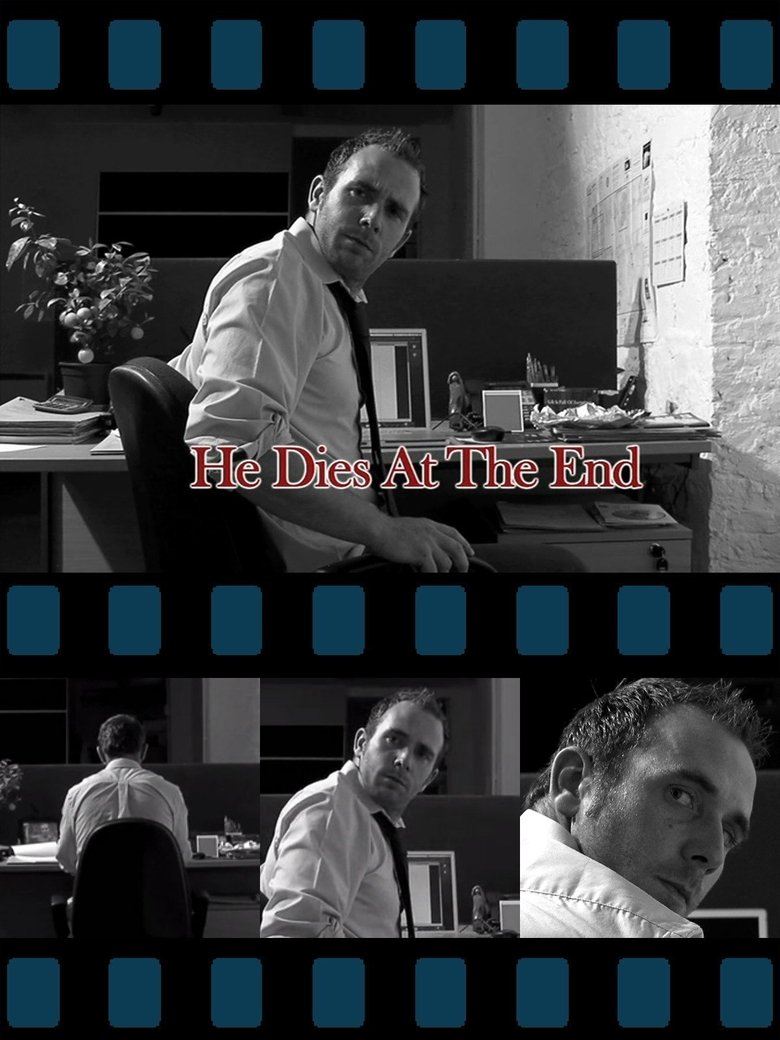
2010
Not RatedDirector
Damian McCarthy
Runtime
5 minutes
Average Rating
No ratings yetSynopsis
Working late, a man is suddenly asked by his computer if he would like to know how he will die.
Overall Score
Minimal
Category Breakdown
LGBTQ+ Representation
The film lacks LGBTQ+ characters or narratives. The story focuses on a singular, gendered interaction with a computer interface.
Gender Representation
The narrative centers on a male protagonist. It adheres to a traditional horror structure without subverting gender hierarchies or presenting diverse roles.
Racial & Ethnic Diversity
There is no evidence of a diverse cast or varied ethnic perspectives. The setting suggests a homogeneous narrative environment.
Religious & Cultural Diversity
The film explores fatalism and postmodern skepticism regarding technology. However, it lacks the breadth to critique specific Western institutions or cultures.
Disability Representation
No characters are shown navigating neurodivergence, physical disabilities, or mental health conditions as central narrative drivers.
Strengths
Areas for Improvement
AI Analysis
He Dies at the End is a minimalist screenlife horror short that prioritizes high-concept suspense over social complexity. The film's claustrophobic structure and reliance on a single protagonist limit the opportunity for diverse character development or multi-layered social dynamics. Because the story is built around a solitary individual interacting with a digital interface, the narrative environment remains narrow and homogeneous. This focus on existential dread through a singular lens results in a lack of intersectional representation. Ultimately, the film functions as a technical exercise in tension rather than a vehicle for exploring diverse identities or systemic social issues.
2015
2017
2021
2020
2015

2011

2011
2013
2013
2019
2021
2010
No reviews yet. Be the first to share your thoughts on this movie!
Use the rating form above to leave a star rating and optional review.