Kill Kill Faster Faster
2008
No user ratings available yet
Representation score: 3.7 out of 10
Representation Score
Minimal
1999
RDirector
Scott Anthony Leet, BoJesse Christopher
Runtime
103 minutes
Average Rating
No ratings yetNew Showbiz Analysis
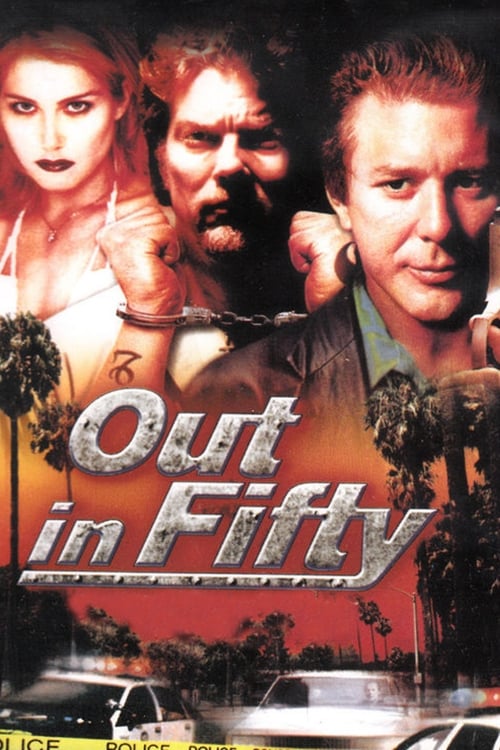
Out in Fifty is a gritty independent thriller that emphasizes crime and revenge over social representation. The narrative centers on traditional masculine struggles, particularly a revenge-driven conflict between an ex-convict and a grieving husband. The film follows conventional genre formulas, using a love triangle to position female characters as central to the conflict without giving them much autonomy. While the protagonist’s background as a reformed ex-convict allows for exploration of themes of redemption, the film does not delve into broader systemic issues. Overall, the production does not intentionally address multi-layered identities. It serves as a character-driven crime drama that adheres to established formulas rather than challenging social hierarchies or offering diverse perspectives.
Category Breakdown
The film does not include any LGBTQ+ characters or stories related to queer identities. The main plot revolves around a heterosexual relationship involving a husband and wife.
The story relies on traditional male-centric conflict and revenge clichés. Female characters are primarily involved in a love triangle and are not shown making their own decisions.
The cast includes actors from various backgrounds, but the specific racial identities of the characters are not specified. Race does not play a central role in the story.
The narrative explores themes of redemption and moral ambiguity through a reformed ex-convict. However, it focuses on personal morality rather than critiquing specific cultural or social institutions.
There are no characters with visible or invisible disabilities in the film. The plot does not include neurodivergent representation.
Present on Screen
Limited or Absent
Official Synopsis
A reformed ex-convict enters a love triangle and gets manipulated into being a scapegoat in a murder scheme for revenge.
2008

2019
2000

2002
2000

2006
2007

2003
No reviews yet. Be the first to share your thoughts on this movie!
Use the rating form above to leave a star rating and optional review.