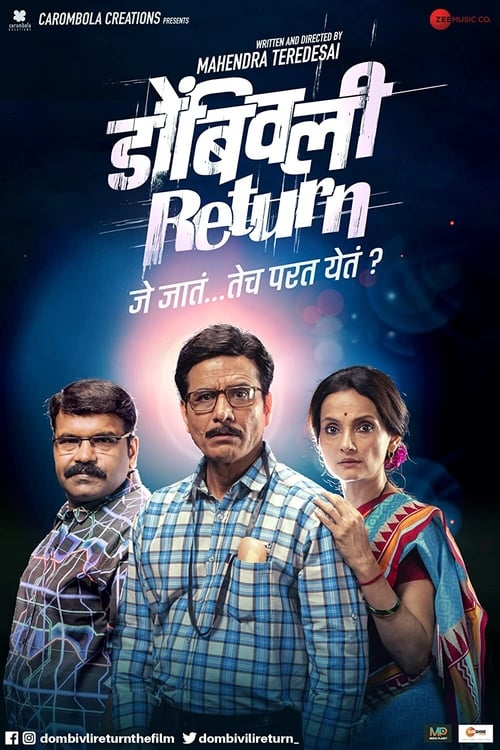
Dombivli Return
2019
No user ratings available yet
Representation score: 2.7 out of 10
Representation Score
Fair
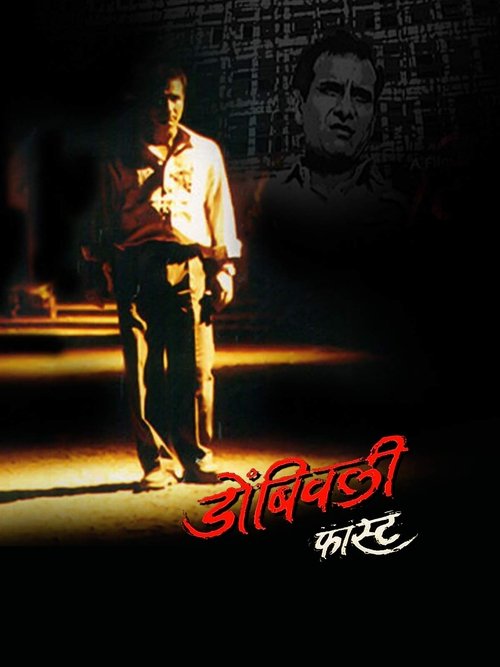
2005
Director
Nishikant Kamat
Runtime
112 minutes
Average Rating
No ratings yetNew Showbiz Analysis
Dombivali Fast is a critical examination of societal issues that prioritizes social commentary over diverse identity representation. It provides a sophisticated critique of institutional authority and the impact of systemic corruption on individuals. However, the film struggles with traditional representation. The narrative is heavily male-focused, relegating women to the domestic sphere and completely lacking LGBTQ+ characters. While it captures the ethnic diversity of Mumbai's commuters, it does not delve into interracial or diverse identity dynamics. Ultimately, the film's strength lies in its critique of systemic failure and moral relativism, despite falling short in providing a broad spectrum of identity-based representation.
Category Breakdown
The film does not include any LGBTQ+ characters and does not explore non-straight relationships or identities. The social setting emphasizes traditional family structures and heterosexual relationships.
The narrative focuses almost entirely on the male protagonist's psychological journey. Female characters are mostly confined to the domestic sphere and do not play a significant role in driving the plot.
The film showcases a range of socioeconomic backgrounds among Mumbai's commuter population. It remains within a relatively uniform cultural context.
The story critiques state institutions and the Indian Railways. It questions the idea of the ideal citizen by presenting vigilantism as a reaction to systemic corruption.
Mental health is addressed through the protagonist's psychological breakdown, which serves as a catalyst for his descent into violence. However, it does not provide a nuanced exploration of mental health issues.
Present on Screen
Limited or Absent
Official Synopsis
It is the story of a middle class bank employee, Madhav Apte, an ordinary, law-abiding and honest citizen who faces constant frustration with the injustice and corruption that pervades in all walks of his life. The film portrays Apte's mental breakdown as he reaches his breaking point, and his rampage as a vigilante across Mumbai to set things right.
2019

2005

2007

2001

2011

2014
2017

2012
No reviews yet. Be the first to share your thoughts on this movie!
Use the rating form above to leave a star rating and optional review.