
Building a Thrill Ride: Expedition Everest
2006
No user ratings available yet
Representation score: 1.8 out of 10
Representation Score
Good
1997
GDirector
Ben Stassen
Runtime
40 minutes
Average Rating
No ratings yetNew Showbiz Analysis
Ben Stassen’s documentary prioritizes technical exposition and the mechanics of spectacle over sociopolitical narrative. The film functions as a specialized study of motion, physics, and the engineering behind amusement park thrills. Because the subject matter is centered on machinery and scientific principles, the film lacks the character-driven framework necessary to explore identity. There are no complex, multi-layered arcs to evaluate, as the focus remains on the sensation of movement. Ultimately, the work is neutral. It does not actively exclude specific groups, but its preoccupation with inanimate objects and engineering triumphs precludes meaningful representation of human demographic diversity.
Category Breakdown
The documentary focuses on the engineering and physics of amusement park attractions. Since there are no character-driven narratives or interpersonal relationships, LGBTQ+ identities are not represented in the film.
The film explores the intersection of mechanical engineering and human sensation. Although the subject matter is traditionally male-dominated, the focus on universal sensory experiences remains neutral. No specific gendered character arcs are featured.
Content centers on the physics of roller coasters and the mechanics of fun parks. Due to its technical nature, the study lacks a narrative framework to explore racial or ethnic identities. The focus remains on inanimate objects.
The narrative celebrates technological advancement and the pursuit of leisure. It maintains a neutral stance, neither promoting singular moralities nor actively deconstructing traditional societal structures. It highlights industrial and engineering triumphs.
The film examines how machines fool the senses through movement. While sensory perception is a core theme, there is no evidence that the documentary addresses neurodivergence or sensory disabilities with specific ability to act.
Present on Screen
Limited or Absent
Official Synopsis
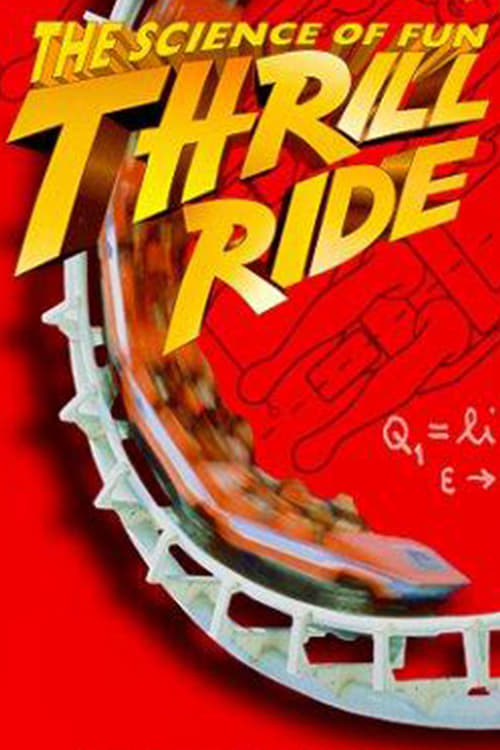
How to create the imagination of movement for fun parks is the theme of this documentary. Although engineers try and try to create machines that shake, tilt, turn, lift and drop people in a way that fools their senses, the real McCoy cannot be imitated: Roller Coasters just let you experience movement much, much more intense than everything else - even on the screen.
2006

2011
2018
2004
1975
2016
2021

2019
No reviews yet. Be the first to share your thoughts on this movie!
Use the rating form above to leave a star rating and optional review.