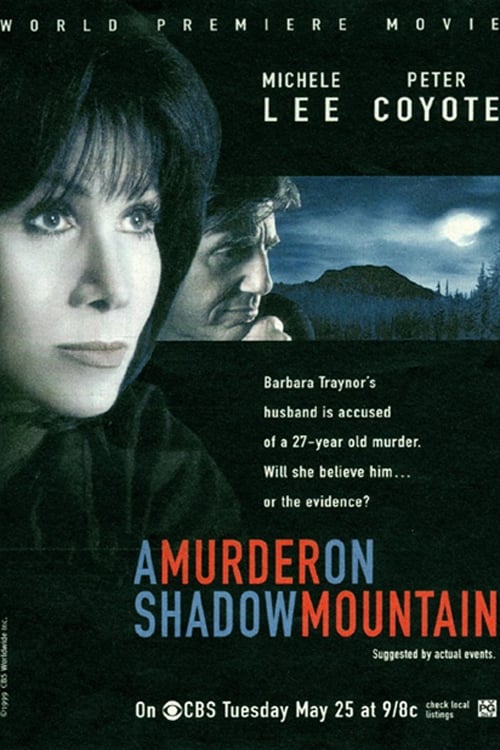
Murder on Shadow Mountain
1999
No user ratings available yet
Representation score: 1.8 out of 10

Representation Score
Minimal
1991
Director
Michael Landon
Runtime
93 minutes
Average Rating
No ratings yetNew Showbiz Analysis
Michael Landon’s drama is a conventional character study that upholds traditional social hierarchies. It emphasizes the restoration of the nuclear family and moral clarity, aligning with mid-century American values rather than exploring systemic or layered social issues. The film relies on established clichés of patriarchal responsibility and domesticity. While it examines the emotional vulnerability of a man seeking redemption, it does so within a narrow, homogeneous social framework that lacks diverse perspectives. Ultimately, the narrative aims to restore broken familial bonds within a stable social order, offering limited space for the representation of underrepresented identities or non-traditional lifestyles.
Category Breakdown
The film follows traditional social structures and does not depict non-straight relationships or gender identities. It does not challenge conventional social norms related to sexuality or gender.
Gender roles adhere to traditional hierarchies, focusing on the male protagonist's journey to regain his position of authority. Female characters mainly support the plot through their roles in the domestic sphere.
The film lacks significant racial or ethnic diversity. The setting implies a predominantly white, middle-class community typical of small-town American dramas from this period.
Themes emphasize Western institutions and the sanctity of the family unit. The narrative centers on individual redemption and domestic stability without critiquing broader social or religious systems.
The film does not include representations of physical, sensory, or neurodivergent disabilities. Psychological trauma resulting from imprisonment is used as a plot device without delving into the lived experiences of those with disabilities.
Present on Screen
Limited or Absent
Official Synopsis
When the police finds a necklace with some criminal, a detective remembers that it was missing evidence in a murderer case many years ago. So it turns out that Jeff Hayes, sentenced to life-long prison, was innocent. After 18 years in jail he's finally released - but has problems finding back into normal life. There's his father who believed him guilty and his ex-wife Ellen, who told their son Kerry and her new husband Paul Kramer his father had died.
1999

2003
1998

1989
2010
1989
1998

2009
No reviews yet. Be the first to share your thoughts on this movie!
Use the rating form above to leave a star rating and optional review.