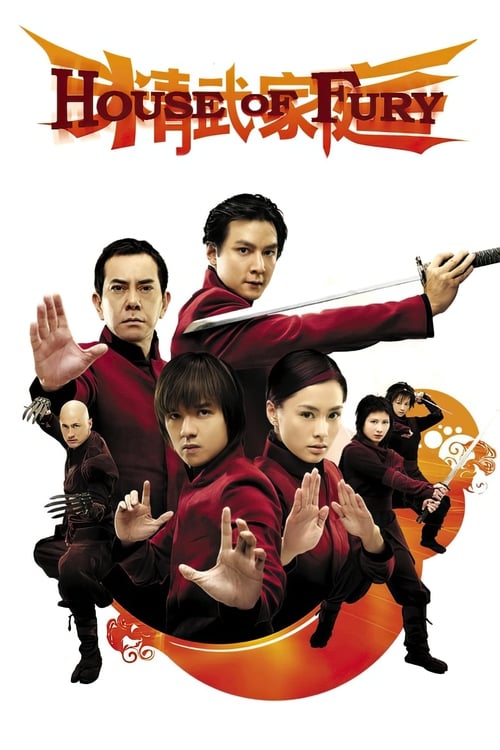
House of Fury
2005
No user ratings available yet
Representation score: 3.9 out of 10
Representation Score
Limited
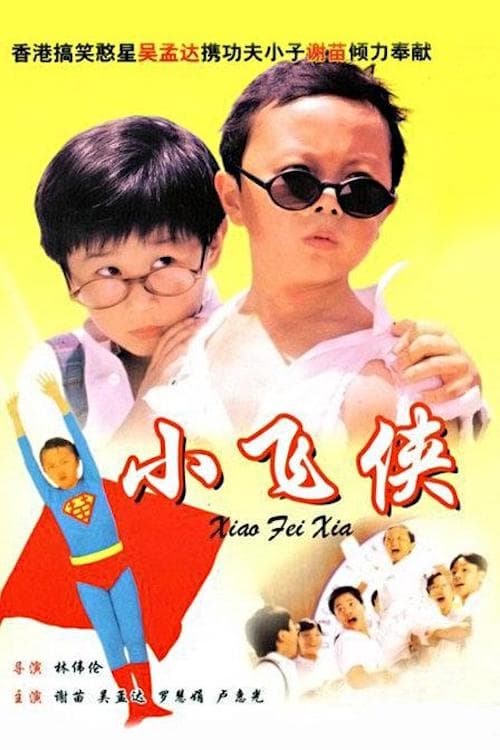
1995
Director
Lam Wai-Lun
Runtime
88 minutes
Average Rating
No ratings yetNew Showbiz Analysis
Teenage Master is a 1990s Hong Kong action-comedy that prioritizes physical spectacle and genre clichés over diverse identity representation. The narrative structure revolves around a traditional masculine lineage, focusing on the bond between a father and son through martial arts mastery. While the film offers a non-Western perspective through its setting and cast, it does not actively challenge social hierarchies. It adheres to the conventions of its era, emphasizing cultural heritage and traditional family structures.
Category Breakdown
The film does not include visible representation of non-binary genders or same-sex relationships. The storyline centers on a traditional father-son relationship and martial arts adventure.
Men play the primary roles, emphasizing a father-son dynamic that reinforces traditional hierarchies of strength and male leadership.
The cast is mainly East Asian, reflecting the Hong Kong film industry. However, the film operates within a culturally homogeneous framework.
The story honors traditional Kung Fu heritage and familial duties. It upholds values of mentorship and the importance of the family unit.
There is no information regarding the inclusion or portrayal of characters with physical or neurodivergent disabilities.
Present on Screen
Limited or Absent
Official Synopsis
A father and his son are named as the best in Kung Fu. One day, they receive distress signal from the predecessor, then they start their adventure in Hong Kong.
2005
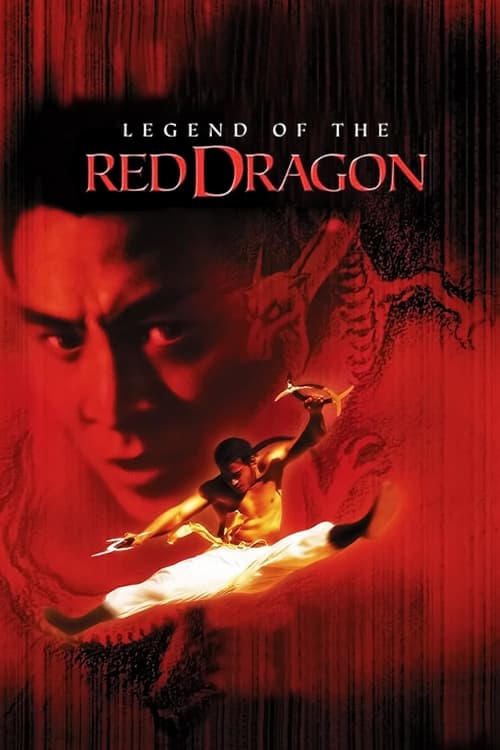
1994
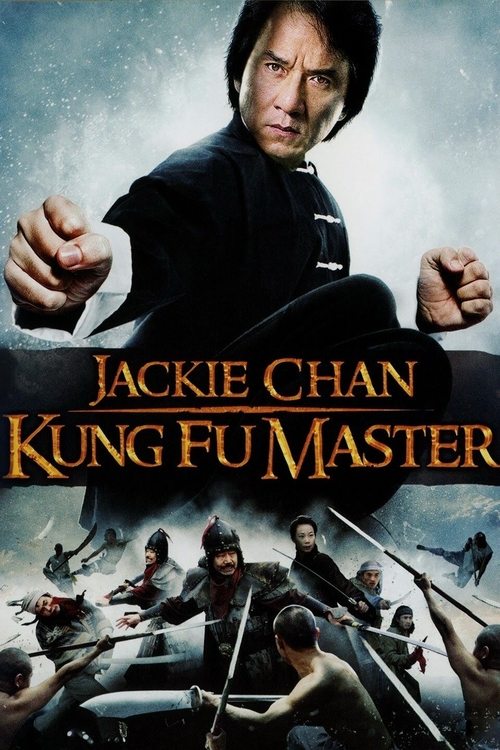
2009

1983
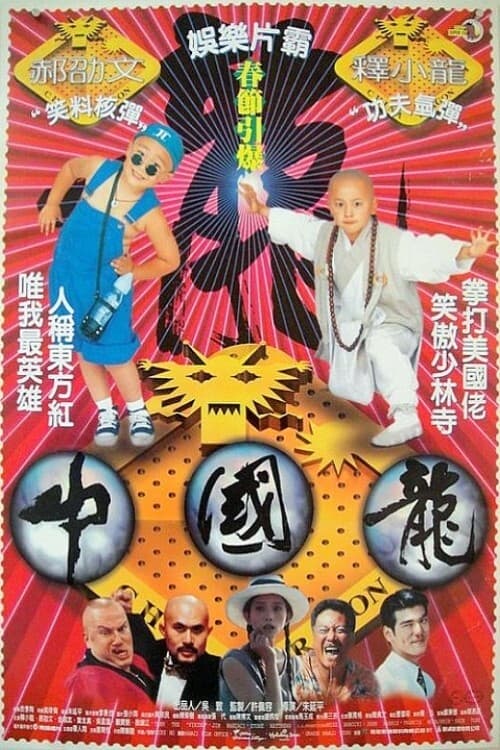
1995
2020
1986
2018
No reviews yet. Be the first to share your thoughts on this movie!
Use the rating form above to leave a star rating and optional review.