
Winnie the Pooh and a Day for Eeyore
1983
No user ratings available yet
Representation score: 2.2 out of 10
Representation Score
Minimal
1999
GDirector
Jimbo Marshall
Runtime
70 minutes
Average Rating
No ratings yetNew Showbiz Analysis
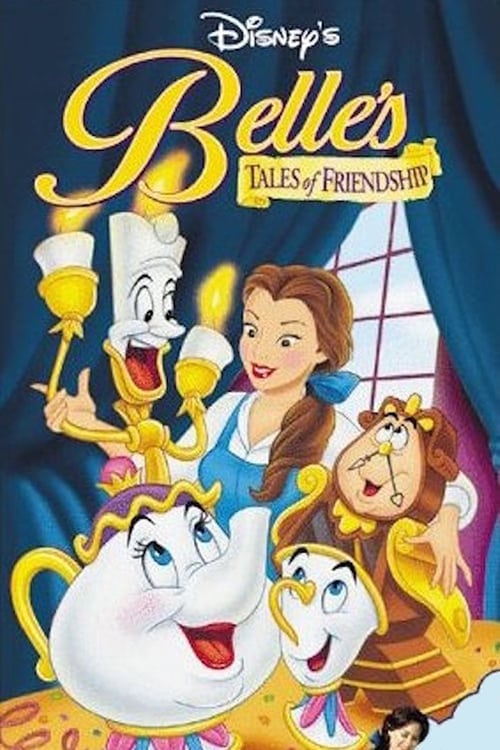
Belle's Tales of Friendship is a conventional piece of family media that reinforces established social norms and traditional community structures. The narrative architecture relies on the preservation of classic folklore and the promotion of interpersonal stability. While the film provides a central female figure of intellectual leadership, it lacks the complexity required for a higher score. The work prioritizes moral clarity and traditional storytelling over the deconstruction of systemic power dynamics. Ultimately, the film functions as a product of its era, focusing on pedagogical stability rather than progressive representation.
Category Breakdown
The film focuses on communal storytelling and kindness within a traditional village. It does not include any explicit or implicit LGBTQ+ subtext or non-cisgender identities.
Belle serves as a female protagonist and intellectual leader as a bookstore owner. However, the narrative remains within traditional bounds, focusing on domestic harmony and emotional support.
The production utilizes a homogeneous casting approach typical of its era. There is no evidence of significant ethnic blending or race-bent casting within the character arcs.
The story prioritizes traditional Western values like literacy and community cohesion. It reinforces a singular, prosocial morality centered on kindness and emotional resilience.
No specific portrayals of neurodivergence or physical disability are identified. It is unclear if animated characters serve as metaphors for disability or standard archetypes.
Present on Screen
Limited or Absent
Official Synopsis
Two different stories: in the first one a group of children walk into the store eager to hear Belle's stories, as she is noted to be a great storyteller, in the second one Belle throws a party to cheer Mrs. Potts up.
1983
1999
2003
2008
2008
2002
2007
2004
No reviews yet. Be the first to share your thoughts on this movie!
Use the rating form above to leave a star rating and optional review.