BreadCrumbs
2011
No user ratings available yet
Representation score: 3.8 out of 10
Representation Score
Fair
2010
Not RatedDirector
Simeon Halligan
Runtime
86 minutes
Average Rating
No ratings yetNew Showbiz Analysis
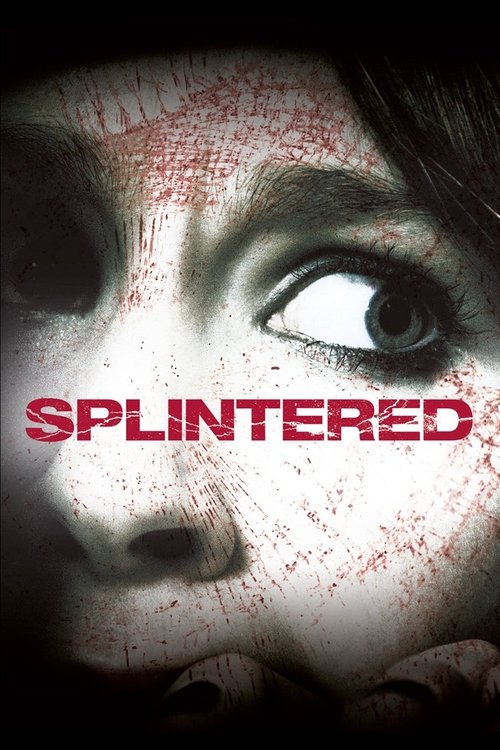
Splintered is a traditional genre piece that prioritizes atmospheric horror over social commentary. While the female lead offers a layer of psychological complexity, the film largely adheres to established horror conventions. The narrative lacks depth in representing diverse identities, focusing instead on local folklore and standard clichés. This results in a homogeneous environment that misses opportunities for broader representation. Ultimately, the film functions as a niche thriller rather than a work designed to disrupt social hierarchies or provide diverse perspectives.
Category Breakdown
The film does not include any visible LGBTQ+ characters or non-cisgender identities. The peer group dynamics focus on traditional friendships, providing no space for queer narratives.
Sophie provides psychological depth as a female protagonist dealing with trauma. However, her role is often compromised by external threats, adhering to traditional horror clichés of vulnerability.
The Welsh countryside setting and focus on local folklore suggest a culturally homogeneous environment. The narrative framework leans toward a traditional, Anglo-centric folk-horror structure.
The story relies on standard Western horror motifs like isolated settings and the madman archetype. It does not explicitly challenge Western institutions or offer subversive social critiques.
Sophie’s history of abuse implies significant psychological trauma or mental health struggles. It remains unclear if this complexity is treated with ability to act or used as a plot device.
Present on Screen
Limited or Absent
Official Synopsis
Sophie is a troubled young girl, haunted by the abuse she suffered as a child and harbouring a deep fascination with the unexplained. In the hope of satiating her obsession with the latter, she instigates a trip to the Welsh countryside with four friends, aimed at tracking down the legendary Beast of Bodmin. It seems the mythical creature – often thought to be a large wildcat or fox – has caught the public's attention once more thanks to a spate of attacks on livestock and one local farmer. Armed with a video camera and a case of beer, the group head off into the woods but they soon uncover much more than they bargained for, with Sophie falling foul of a mysterious madman who locks her away in an apparent attempt to protect her from some unnamed terror.
2011
2015
2014
2000
2019
2004
2005
2003
No reviews yet. Be the first to share your thoughts on this movie!
Use the rating form above to leave a star rating and optional review.