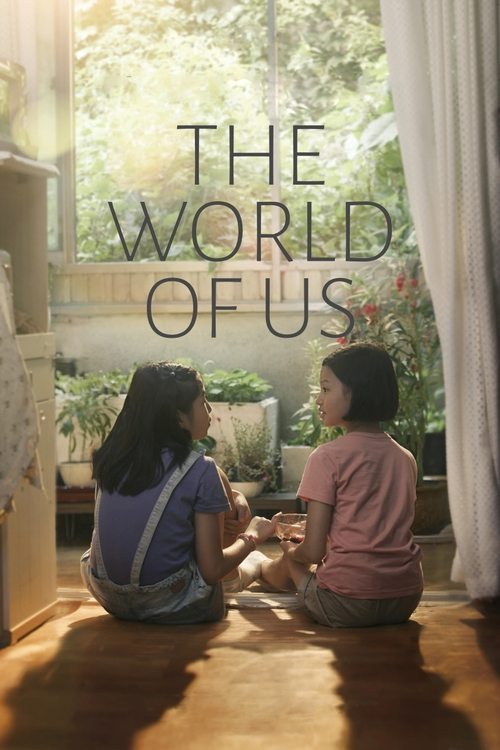
The World of Us
2016
No user ratings available yet
Representation score: 7.0 out of 10

Representation Score
Good
2019
NRDirector
Derek Tsang Kwok-Cheung
Runtime
135 minutes
Average Rating
No ratings yetNew Showbiz Analysis
Better Days is a gritty work of social realism that deconstructs the idealized coming-of-age story. It uses class disparity and institutional critique to drive a powerful, high-stakes narrative. The film effectively portrays gendered violence and questions authority. By presenting survival tactics as reactions to a corrupt system, it offers a nuanced look at moral relativism. However, the film lacks engagement with LGBTQ+ themes and tends to use psychological trauma primarily as a plot device. The focus remains largely on socioeconomic status rather than broader ethnic or racial diversity.
Category Breakdown
The film does not focus on LGBTQ+ identities. Its emotional core revolves around a heterosexual relationship between the main characters.
Chen Nian challenges traditional views of femininity through her resilience in a male-dominated environment. The story highlights the impact of gendered violence and patriarchal structures.
The narrative centers on class-based diversity in contemporary China. It contrasts the pressures faced by middle-class students with the underrepresented life of the male lead.
The film critiques traditional institutions and authority figures. It examines how competitive academic environments and indifferent systems can oppress individuals.
The story explores hidden disabilities such as psychological trauma and mental health issues. These elements often serve as catalysts for high-stakes drama.
Present on Screen
Limited or Absent
Official Synopsis
A bullied teenage girl forms an unlikely friendship with a mysterious young man who protects her from her assailants, while she copes with the pressures of her final examinations.
2016

2021

2018
2016

2017
2003

2018

2015
No reviews yet. Be the first to share your thoughts on this movie!
Use the rating form above to leave a star rating and optional review.