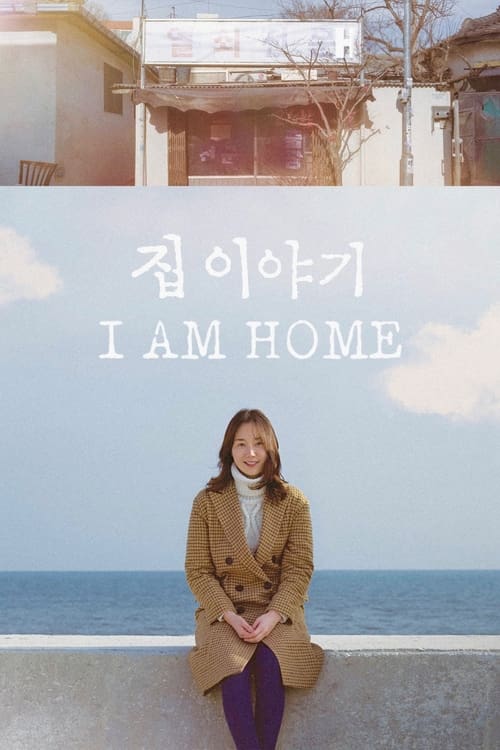
I Am Home
2019
No user ratings available yet
Representation score: 3.0 out of 10
Representation Score
Limited
2019
Director
Lee Jong-un
Runtime
120 minutes
Average Rating
No ratings yetNew Showbiz Analysis
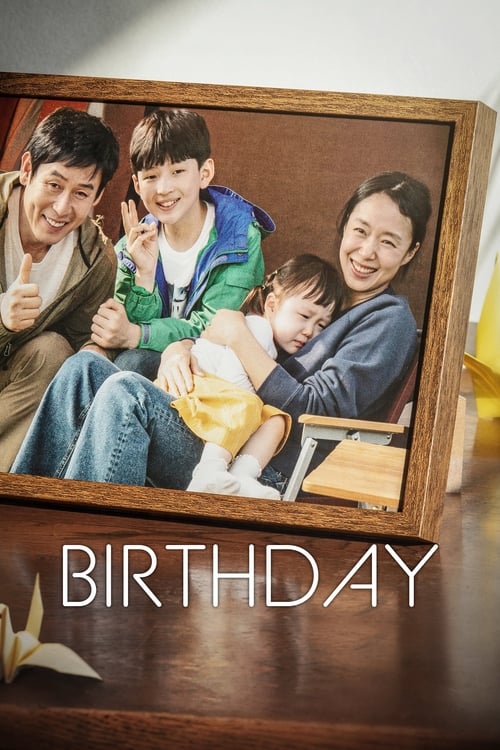
Birthday is a character-driven domestic drama that emphasizes interpersonal reconciliation over broader social critique. The narrative focuses on the psychological tension of a man trying to reconnect with his family after years of separation due to imprisonment and overseas work. The film follows a conventional storyline, concentrating on the intricate dynamics of a nuclear family. It does not aim to challenge broader social structures or provide diverse representation across various identity groups.
Category Breakdown
The film focuses on a family structure where everyone is assumed to be straight and cisgender, with no representation of LGBTQ+ identities or narratives.
The story centers around a male protagonist, but the emotional weight is shared with his female family members. Masculinity is portrayed through personal struggles and domestic tensions rather than traditional heroism.
As a South Korean production, the film showcases Korean domestic life. The cast is ethnically uniform, reflecting the typical cultural makeup of the region.
The narrative explores the breakdown of the traditional family unit, emphasizing personal responsibility and social reintegration rather than broader institutional critiques.
There is no depiction of physical, neurodivergent, or mental health disabilities in this film.
Present on Screen
Limited or Absent
Official Synopsis
Returning from eight years abroad at work and in prison, Jeong-il struggles to reconnect with his wife and their young daughter, Ye-sol, whom he barely knows.
2019

2018

2021

1997

2021

2023
2007

2019
No reviews yet. Be the first to share your thoughts on this movie!
Use the rating form above to leave a star rating and optional review.