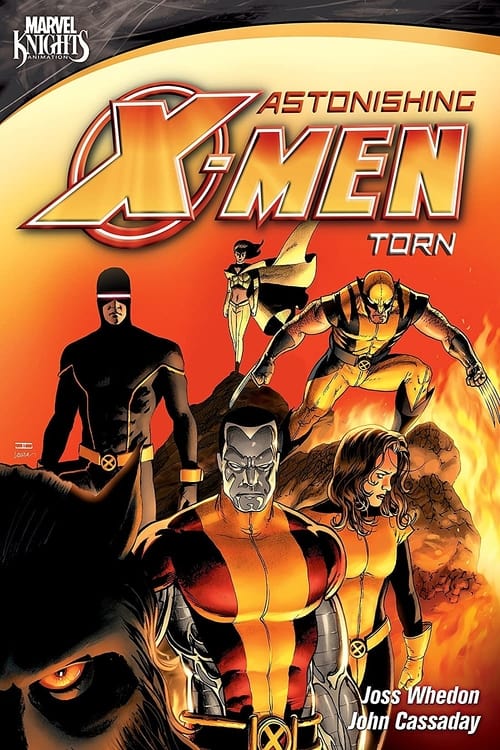
Astonishing X-Men: Torn
2012
No user ratings available yet
Representation score: 8.0 out of 10
Representation Score
Good
2012
TV-MADirector
Jesse Cote
Runtime
69 minutes
Average Rating
No ratings yetNew Showbiz Analysis
The film leverages the established X-Men mythos to explore themes of identity and belonging. By centering a community defined by biological 'otherness,' the narrative inherently disrupts social hierarchies and explores the complexities of being an outcast. While the high-stakes thriller plot focuses on deception and internal threats, the underlying framework provides a foundation for representing diverse identities. The mutant metaphor serves as a powerful tool for discussing systemic opposition and social difference. However, the specific character dynamics regarding gender and LGBTQ+ representation remain overshadowed by the central conflict. The narrative prioritizes the existential threat over detailed explorations of individual character identities.
Category Breakdown
The film continues a franchise tradition that challenges assumptions about straight relationships by focusing on a community of outcasts. However, it does not provide explicit details about non-traditional gender relationships in this installment.
The narrative emphasizes high-stakes conflict and a systemic threat within the Xavier Institute. It does not show female characters taking a leading role or challenging traditional masculinity.
The story uses the mutant metaphor to challenge the idea of a uniform majority. This framework centers biological and social otherness as a key narrative element.
The plot shifts away from traditional wealth or power clichés toward existential destruction. This approach critiques the stability of institutional leadership and established communal hierarchies.
Physical and neurodivergent differences are presented as integral to character identity and survival. This avoids clichéd inspirational stories by treating these traits as both tools and social burdens.
Present on Screen
Limited or Absent
Official Synopsis
The tragic death of a student at the Xavier Institute reveals that a powerful enemy is working from inside the mansion to destroy the X-Men, an enemy who knows all their weaknesses and can predict their every move. This new foe doesn’t want wealth, power or world domination: it only wants them dead. As the X-Men fight for their lives, they learn they’ve been deceived by one of their own... even if they survive, the team will never be the same.
2012

2008
2013

2009
2010

2011
2013
2024
No reviews yet. Be the first to share your thoughts on this movie!
Use the rating form above to leave a star rating and optional review.