
WWE Royal Rumble 2004
2004
No user ratings available yet
Diversity score: 1.8 out of 10
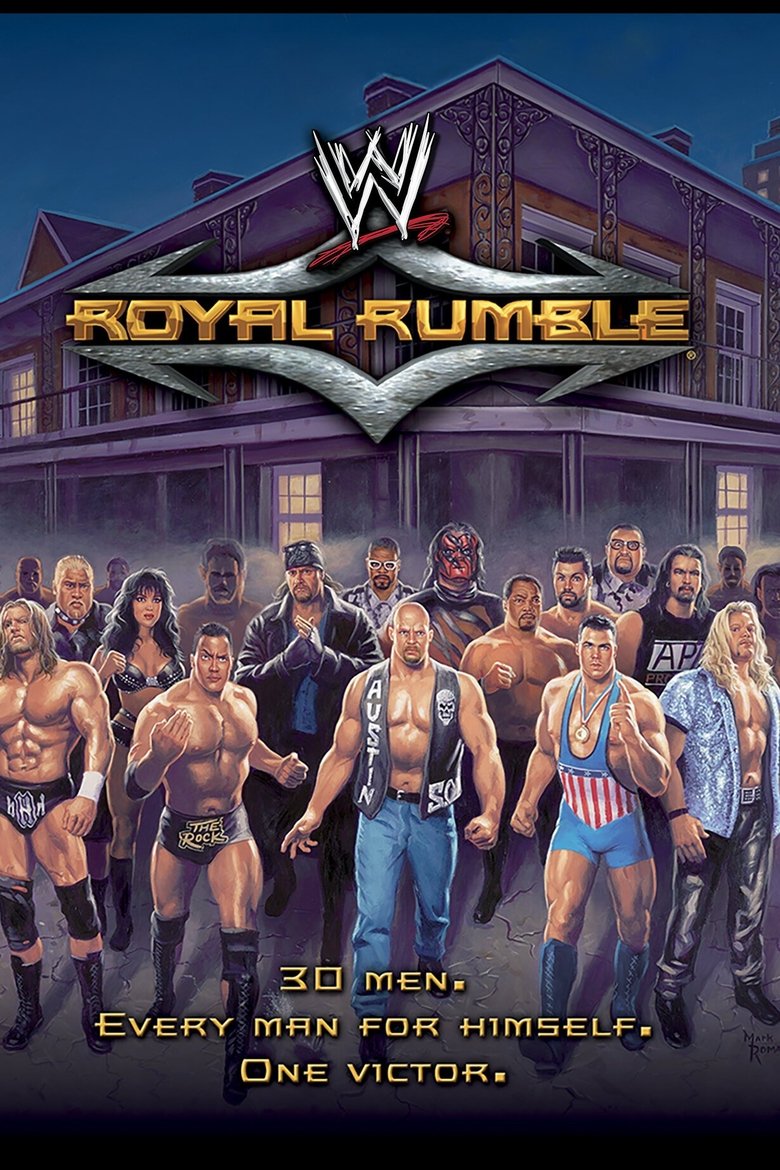
2001
PG-13Director
Kevin Dunn
Runtime
170 minutes
Average Rating
No ratings yetSynopsis
Royal Rumble (2001) was the fourteenth annual Royal Rumble PPV. It was presented by MCI's 1-800-COLLECT and took place on January 21, 2001 at the New Orleans Arena in New Orleans, Louisiana. The main event was the Royal Rumble match. Kane set a record for the most eliminations and the match saw Drew Carey enter the Royal Rumble. Featured matches on the undercard included a ladder match between Chris Jericho and Chris Benoit for the WWF Intercontinental Championship and a singles match between Kurt Angle and Triple H for the WWF Championship.
Overall Score
Limited
Category Breakdown
LGBTQ+ Representation
The event lacks any visible presence of LGBTQ+ characters or narratives. The presentation adheres strictly to traditional heteronormative archetypes prevalent in early-2000s sports entertainment.
Gender Representation
The narrative architecture relies heavily on traditional gender hierarchies. While Chyna provides a focal point for female athleticism, the broader structure prioritizes male physicality and leadership.
Racial & Ethnic Diversity
The roster features performers of Black, Hispanic, and Asian descent. However, these portrayals often align with established wrestling tropes that can lean toward caricature.
Religious & Cultural Diversity
The event functions as a celebration of capitalist spectacle and organized competition. It reinforces Western institutions through a highly structured, commercialized format.
Disability Representation
There is no documented representation of visible or invisible disabilities. The focus remains exclusively on able-bodied athletic performance.
Strengths
Areas for Improvement
AI Analysis
WWE Royal Rumble 2001 is a quintessential product of its era, prioritizing athletic spectacle and established entertainment hierarchies. While the roster is not entirely homogeneous, the diversity present often functions as a collection of individual personas rather than a meaningful disruption of norms. The production lacks any meaningful representation of LGBTQ+ identities or disabilities, focusing instead on able-bodied, heteronormative archetypes. This creates a broadcast that reinforces traditional social structures rather than challenging them. Ultimately, the event serves as a commercialized celebration of Western competition. It relies on binary hero-versus-villain dynamics and traditional gender roles, resulting in a non-subversive media experience.
2004
2007

2002
2005

2006
2008

2003
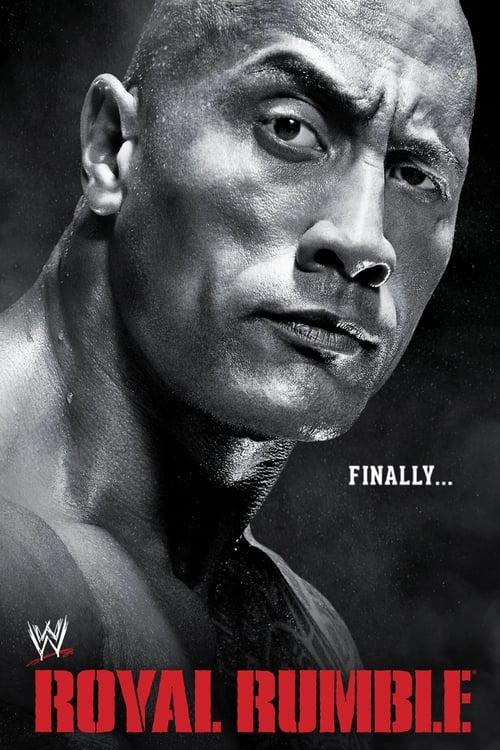
2013

2012
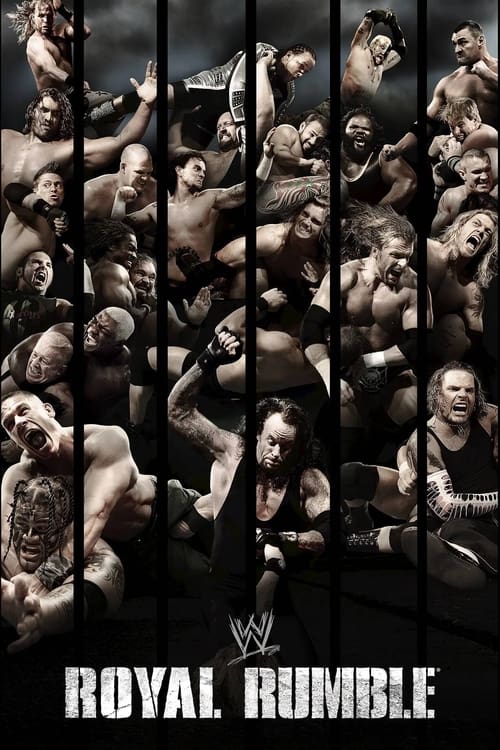
2009
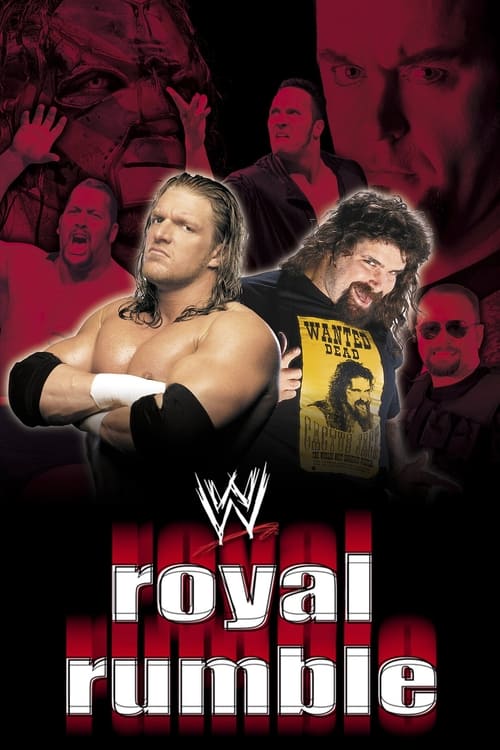
2000
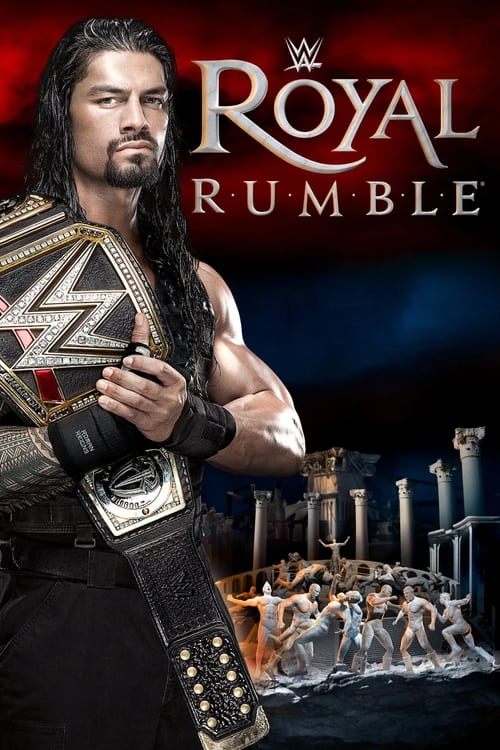
2016
No reviews yet. Be the first to share your thoughts on this movie!
Use the rating form above to leave a star rating and optional review.