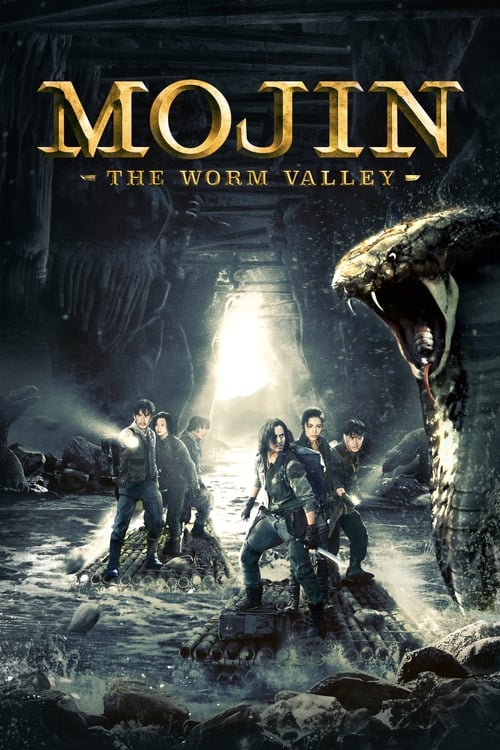
Mojin: The Worm Valley
2018
No user ratings available yet
Diversity score: 4.5 out of 10

1977
PG-13Director
Ho Meng-Hua
Runtime
90 minutes
Average Rating
No ratings yetSynopsis
Word of a monster ape ten stories tall living in the Himalayas reaches fortune hunters in Hong Kong. They travel to India to capture it, but wild animals and quicksand dissuade all but Johnny, an adventurer with a broken heart. He finds the monster and discovers it's been raising a scantily-clad woman, Samantha, since she survived a plane crash years before that killed her parents. In the idyllic jungle, Johnny and Samantha fall in love. Then Johnny asks her to convince "Utam" to go to Hong Kong. Lu Tien, an unscrupulous promoter, takes over: Utam is in chains for freak show exhibitions. When Lu Tien assaults Samantha, Utam's protective instincts take over: havoc in Hong Kong.
Overall Score
Fair
Category Breakdown
LGBTQ+ Representation
The film lacks LGBTQ+ characters or non-cisnormative identities. The central romantic arc remains strictly heteronormative, focusing on the bond between Johnny and Samantha.
Gender Representation
Samantha serves as the emotional centerpiece but is often framed through a traditional damsel lens. However, the film disrupts masculine leadership by portraying the antagonist Lu Tien as a predatory foil.
Racial & Ethnic Diversity
The production avoids Western-centric archetypes by featuring a predominantly Asian cast and setting. Centering the story in Hong Kong and the Himalayas provides a meaningful departure from Anglo-Saxon-centric narratives.
Religious & Cultural Diversity
The narrative critiques extractive capitalism by portraying the creature as a commodity for profit. It emphasizes a naturalist morality where human greed disrupts the natural order.
Disability Representation
There is no discernible representation of physical or neurodivergent disabilities. No characters with disabilities are utilized as central plot devices.
Strengths
Areas for Improvement
AI Analysis
The Mighty Peking Man offers a moderate level of progressive value by subverting the typical Western-centric 'giant monster' trope. By centering an Asian cast and production team, it avoids the colonialist 'white savior' narratives common in 1970s adventure cinema. However, the film remains tethered to traditional genre tropes. The gender dynamics rely heavily on the 'damsel in distress' framework, and the narrative lacks any meaningful LGBTQ+ or disability representation. Ultimately, the film's strength lies in its critique of commercial exploitation. It portrays the commodification of nature as a corrupting force, providing a subtle social commentary despite its adherence to standard romantic structures.
No reviews yet. Be the first to share your thoughts on this movie!
Use the rating form above to leave a star rating and optional review.