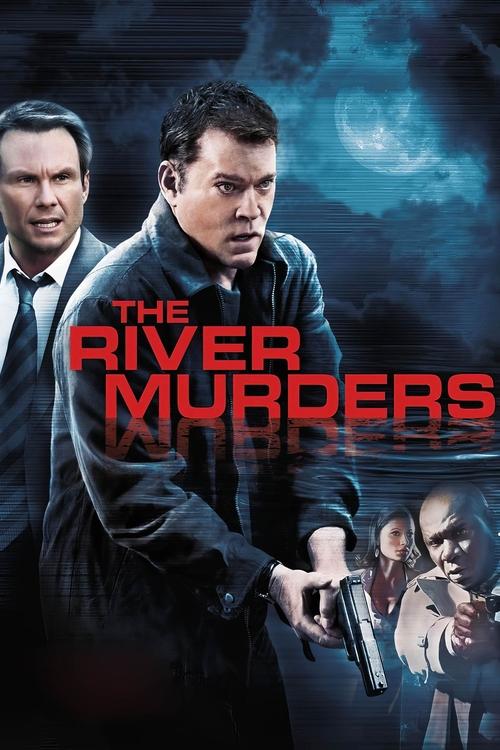
The River Murders
2011
No user ratings available yet
Diversity score: 3.0 out of 10

2003
Director
Fred Olen Ray
Runtime
98 minutes
Average Rating
No ratings yetSynopsis
A burned out L.A. detective moves to Hawaii, where he stumbles upon a murder at a college sorority reunion.
Overall Score
Limited
Category Breakdown
LGBTQ+ Representation
The film lacks visible non-cisnormative gender identities or narratives that challenge heteronormativity. It centers on a traditional detective archetype without queer character arcs.
Gender Representation
While the sorority reunion setting provides a female-centric social structure, the film relies on established tropes of female vulnerability. The male detective maintains a conventional protagonist structure.
Racial & Ethnic Diversity
Despite the Hawaiian setting, there is no evidence of a non-white majority cast. High-agency characters of color do not appear to drive the central mystery.
Religious & Cultural Diversity
The narrative adheres to standard Western thriller conventions without prioritizing secularism or critiquing Western institutions. It functions within a traditional mystery-driven framework.
Disability Representation
There is no evidence of characters with visible or invisible disabilities portrayed with agency. Physical impairments are not utilized as confirmed plot devices here.
Strengths
Areas for Improvement
AI Analysis
Final Examination operates as a conventional early-2000s thriller, prioritizing genre tropes over diverse character studies. The narrative follows a standard detective archetype, which limits the opportunity for intersectional storytelling. The film fails to leverage its Hawaiian setting to provide meaningful racial or cultural depth. Instead, it relies on established mystery structures that favor homogeneous casting and traditional social hierarchies. Ultimately, the production lacks the intentionality required to disrupt social norms, resulting in a predictable and non-subversive viewing experience.
2011
1991
1958
2001
2006

1999

1997

1990

1996

1978

2024
2016
No reviews yet. Be the first to share your thoughts on this movie!
Use the rating form above to leave a star rating and optional review.