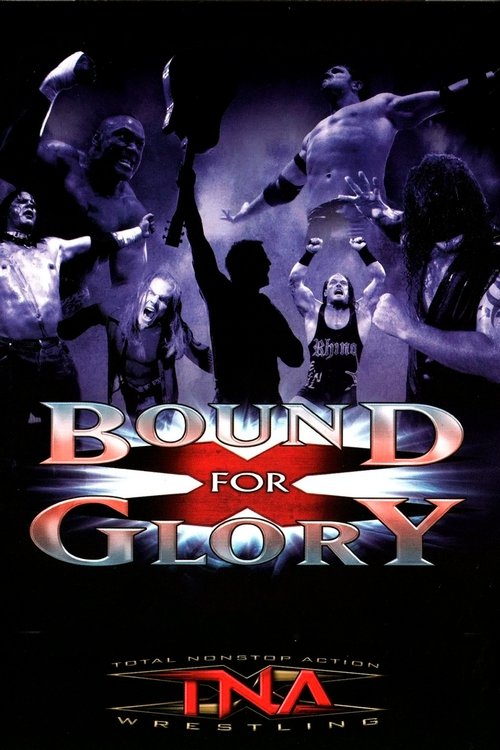
TNA Bound for Glory 2005
2005
No user ratings available yet
Diversity score: 2.4 out of 10

2006
TV-14Runtime
173 minutes
Average Rating
No ratings yetSynopsis
Bound for Glory (2006) was a professional wrestling pay-per-view (PPV) event produced by Total Nonstop Action Wrestling, which took place on October 22, 2006 from the Compuware Sports Arena in the Detroit, Michigan charter township of Plymouth. Tickets went on sale August 5, 2006.[citation needed] It was the second event under the Bound for Glory chronology. Eight professional wrestling matches were featured on the event's card, with Jeff Jarrett defending his NWA World Heavyweight Championship against Sting with the stipulation that Sting would retire from professional wrestling if he'd lose.
Overall Score
Limited
Category Breakdown
LGBTQ+ Representation
The event focuses on standard professional wrestling archetypes and athletic competition. There is no evidence of LGBTQ+ characters or narratives addressing non-cisnormative identities.
Gender Representation
The central narrative revolves around masculine archetypes of combat and physical dominance. The event lacks female characters driving the plot or any subversion of gender hierarchies.
Racial & Ethnic Diversity
The roster follows standard industry patterns of the era. Without specific casting data for the full eight-match card, a non-white majority cannot be confirmed.
Religious & Cultural Diversity
The broadcast operates within a Western sports entertainment framework. It emphasizes individual competition and traditional hero-versus-villain dichotomies rather than cultural deconstruction.
Disability Representation
The broadcast focuses exclusively on able-bodied athletic performance. There is no evidence of characters with disabilities being portrayed with agency or narrative purpose.
Strengths
Areas for Improvement
AI Analysis
TNA Bound for Glory 2006 functions as a live sporting broadcast rather than a scripted narrative film. Because it is driven by athletic competition and traditional sports entertainment tropes, it lacks the structural capacity for deep sociopolitical critique or intentional intersectional representation. The event adheres to mid-2000s industry standards, prioritizing physical prowess and established championship hierarchies. This results in a presentation that reinforces conventional social structures rather than challenging them. Ultimately, the broadcast serves as a commercial athletic product. It lacks the narrative intentionality required to engage with progressive identity politics or diverse social frameworks.
2005

2005
2006

2006
2006
2006
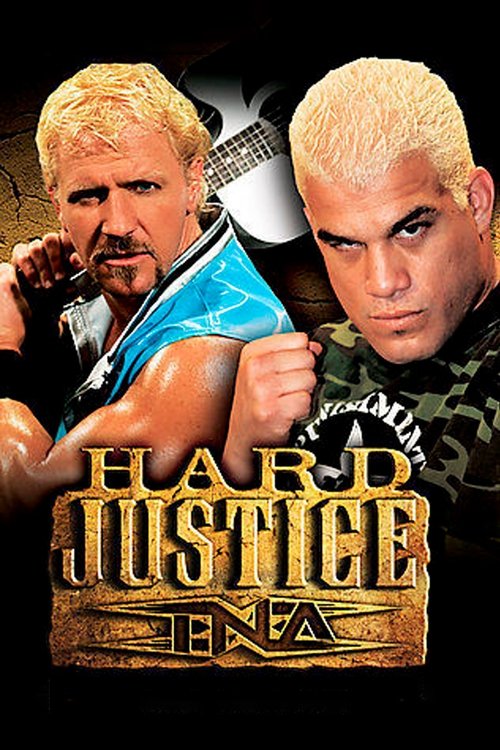
2005
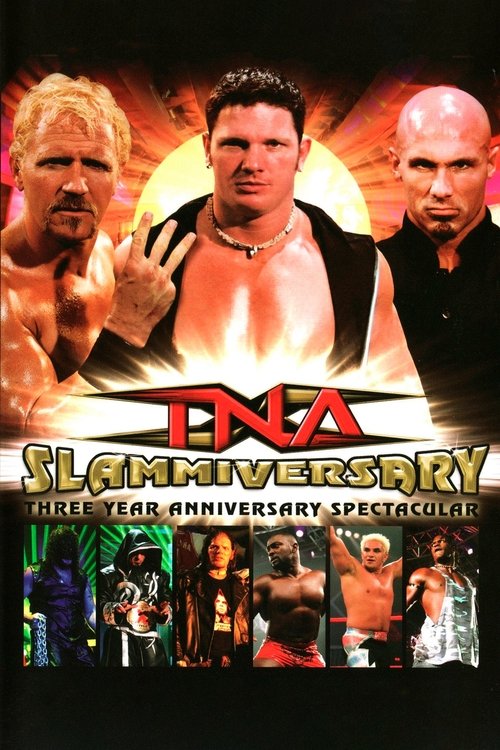
2005
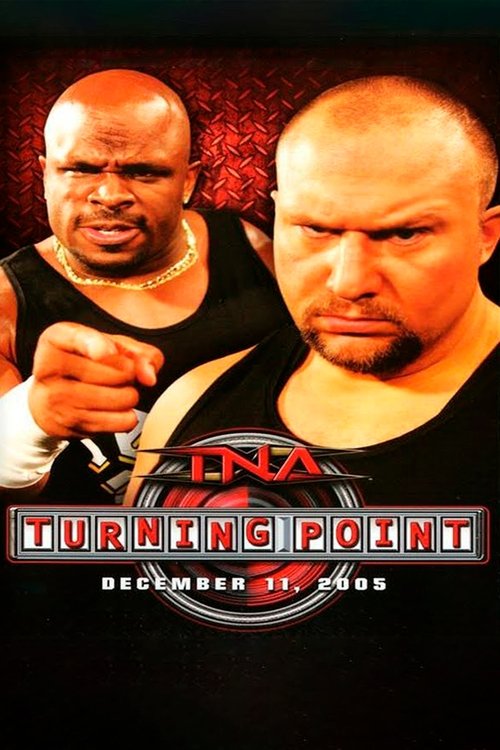
2005
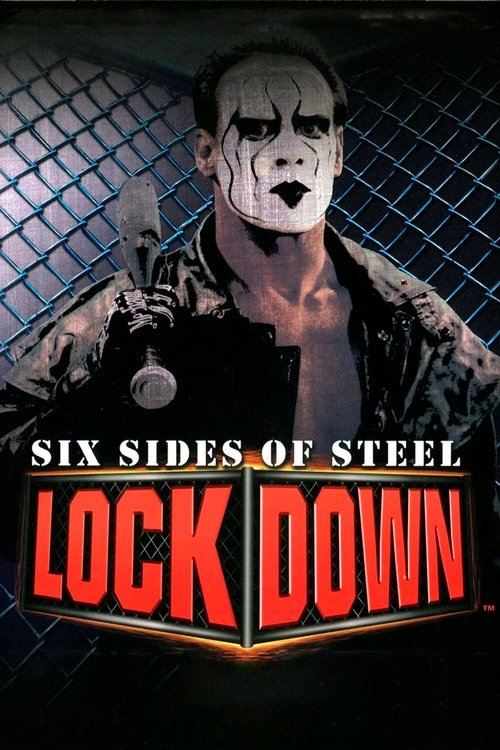
2006
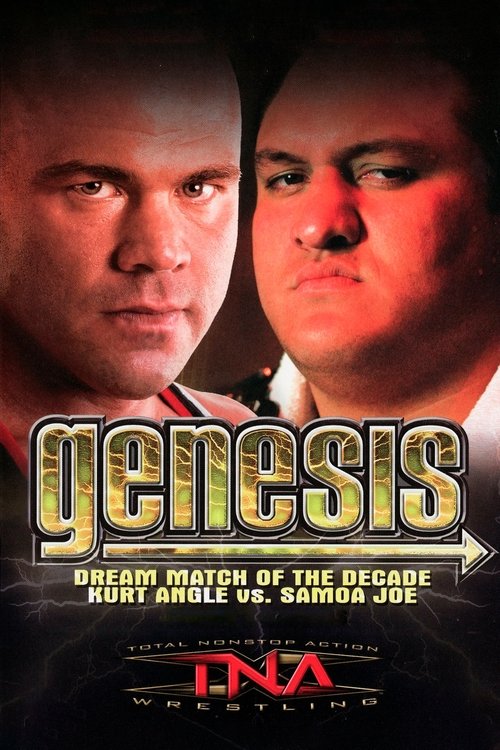
2006
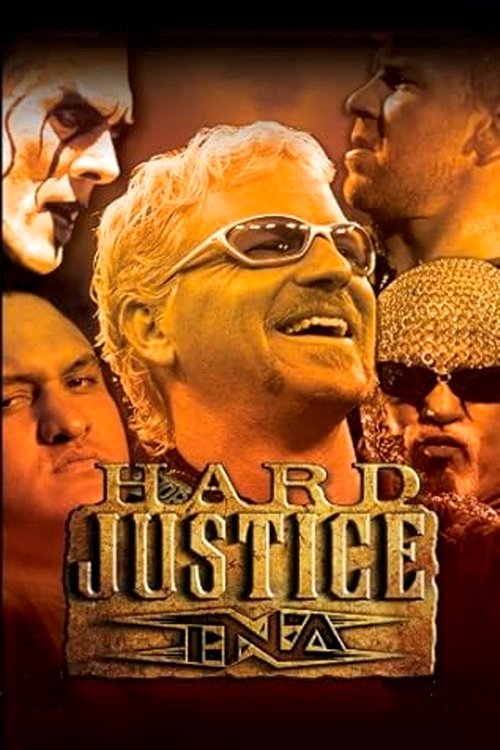
2006
No reviews yet. Be the first to share your thoughts on this movie!
Use the rating form above to leave a star rating and optional review.