
Take Me Home: The John Denver Story
2000
No user ratings available yet
Representation score: 1.4 out of 10
Representation Score
Limited
1989
NRDirector
Richard Carpenter, Joseph Sargent
Runtime
92 minutes
Average Rating
No ratings yetNew Showbiz Analysis
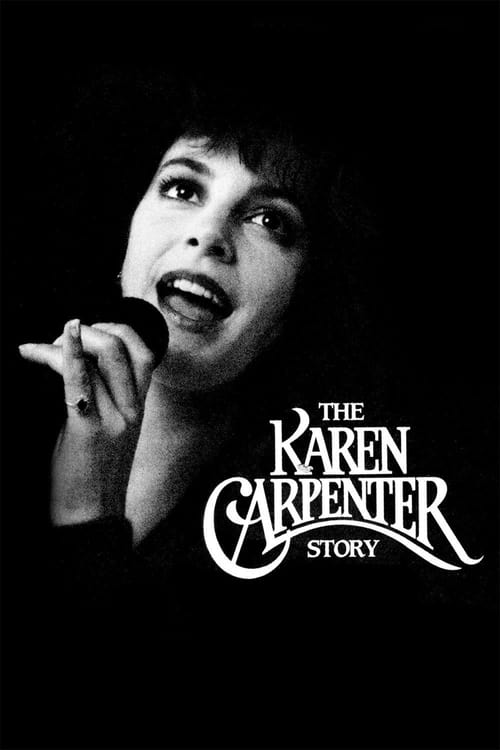
The film serves as a respectful, authorized account of Karen Carpenter's life, emphasizing the intersection of celebrity and mental health. It successfully provides a character-driven exploration of the physical and psychological realities of eating disorders. However, the production is constrained by its narrow demographic focus. It operates within a traditional Western framework that lacks complexity and systemic critique, focusing instead on a singular, homogeneous social context. Ultimately, the film functions as a standard biographical retrospective. It prioritizes historical accuracy and familial narrative over progressive representation or the subversion of social norms.
Category Breakdown
The film does not include any LGBTQ+ characters or explore non-straight relationships. The interpersonal dynamics are confined to cisgender and heterosexual relationships.
The story revolves around a female protagonist navigating the music industry. While it avoids submissive stereotypes, it emphasizes personal tragedy rather than challenging systemic gender inequalities.
The production reflects a predominantly white, middle-class American setting. There is no intentional effort to blend races or cast actors from diverse backgrounds.
The narrative adheres to a conventional Western biographical format. It highlights family ties and personal history without questioning Western institutions or capitalism.
The film significantly portrays anorexia and bulimia. While it gives the protagonist's struggle substantial weight, it sometimes leans on the tragedy cliché.
Present on Screen
Limited or Absent
Official Synopsis
Story of the meteoric rise and sudden fall of Karen Carpenter, who became a famous singer before battling anorexia and bulimia. This made-for-TV movie is the authorized version of the life of Karen Carpenter and was made with the approval of Richard Carpenter and the Carpenter family.
2000

2017

2016

1982

2014

1979

1994

1998
No reviews yet. Be the first to share your thoughts on this movie!
Use the rating form above to leave a star rating and optional review.