
Children of Fortune
2000
No user ratings available yet
Diversity score: 4.0 out of 10
2006
Director
Erik Leijonborg
Runtime
91 minutes
Average Rating
No ratings yetSynopsis
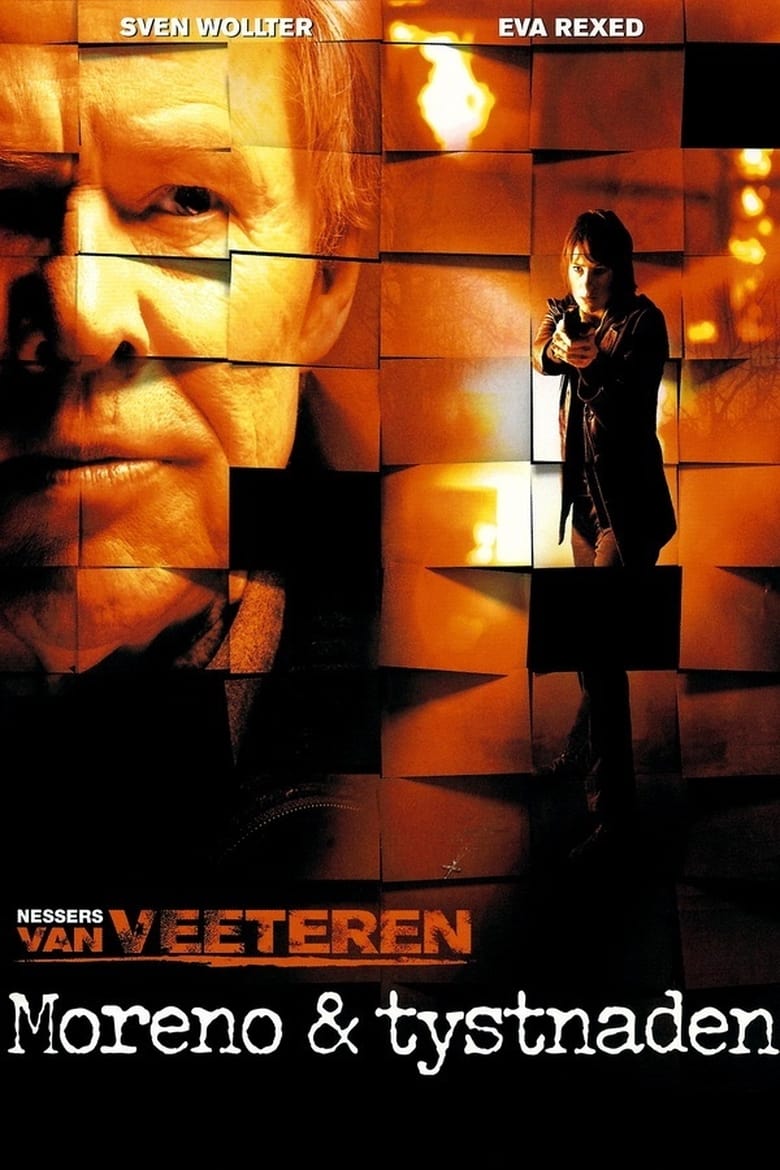
When a girl is murdered soon after leaving a closed religious community, Moreno faces a difficult investigation as the community closes ranks and refuses to cooperate. When another girl is abducted and her bloody fingernails mailed to the police, tongues begin to loosen.
Overall Score
Fair
Category Breakdown
LGBTQ+ Representation
The film lacks explicit evidence of LGBTQ+ characters or themes. The narrative focus remains centered on a crime investigation within a religious context.
Gender Representation
Female characters serve as the primary victims, acting as catalysts for the male protagonist's investigation. There is no clear indication of high-agency female leads.
Racial & Ethnic Diversity
As a Swedish production, the film likely reflects a homogeneous Nordic cast. There is no specific mention of a multi-ethnic ensemble in the narrative.
Religious & Cultural Diversity
The story critiques traditional religious institutions by framing them as uncooperative entities. It prioritizes secular investigative truth over sectarian loyalty and communal secrecy.
Disability Representation
There is no information available regarding the inclusion of characters with visible or invisible disabilities.
Strengths
Areas for Improvement
AI Analysis
Moreno and the Silence operates as a psychological thriller that examines the friction between individual agency and institutional rigidity. The film's primary strength is its cultural critique, specifically how it deconstructs the idea of a religious community as a sanctuary, instead portraying it as a systemic obstacle to justice. However, the film's representation of identity is limited. The narrative relies on female victimization to drive the plot, and there is a lack of visible diversity in terms of race or LGBTQ+ identities. It functions more as a study of social tension than a showcase of intersectional representation. Ultimately, the film provides a moderate progressive framework by challenging the moral authority of closed social structures, even if it lacks specific character-driven diversity.
2000

2013

2012

2012

2013

2011

2012
2019

2015
1960
2013

2012
No reviews yet. Be the first to share your thoughts on this movie!
Use the rating form above to leave a star rating and optional review.