
The Rage Within
2001
No user ratings available yet
Representation score: 0.9 out of 10
Representation Score
Minimal
1996
RDirector
Charles Bail
Runtime
102 minutes
Average Rating
No ratings yetNew Showbiz Analysis
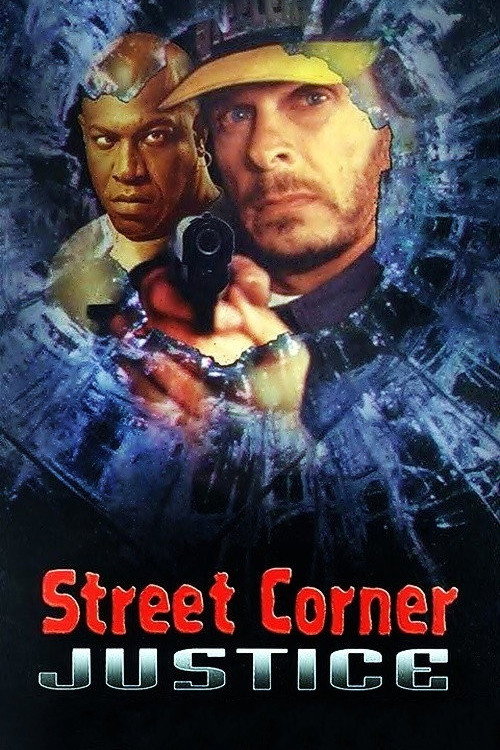
Street Corner Justice is a conventional 1990s action film that prioritizes traditional masculine archetypes. The narrative structure follows a disgraced officer seeking personal retribution, a cliché that often sidelines multi-layered representation. The film lacks visible diversity in gender, race, and LGBTQ+ identities. While the Los Angeles setting implies a multicultural backdrop, the focus remains heavily on a singular, homogeneous protagonist-driven arc. Ultimately, the film reinforces patriarchal structures and traditional cinematic norms of its era, offering little in the way of progressive or diverse character development.
Category Breakdown
The film focuses entirely on a singular male protagonist. There is no evidence of non-straight relationships or narratives that critique the assumption that everyone is straight.
The story centers on a male hero navigating a crisis where he has little control over his actions. It relies on traditional masculine clichés common in 1990s action cinema.
The narrative follows a single individual's journey through Los Angeles. It lacks indications of a diverse or non-Anglo-Saxon majority cast.
The film critiques formal institutions through its protagonist's rejection of the police force. This creates a tension between law and individualistic justice.
The plot remains strictly on an action-oriented trajectory. No characters are shown navigating physical, neurodivergent, or mental health conditions.
Present on Screen
Limited or Absent
Official Synopsis
Pittsburgh cop Mike Justus is kicked off the force and moves away to relax in sunny Los Angeles. Unfortunately his dream retirement turns out to be a nightmare and he is forced to deal out his own brand of street corner justice.
2001
2006

2006
1991
1992
1990
1993
1986
No reviews yet. Be the first to share your thoughts on this movie!
Use the rating form above to leave a star rating and optional review.