
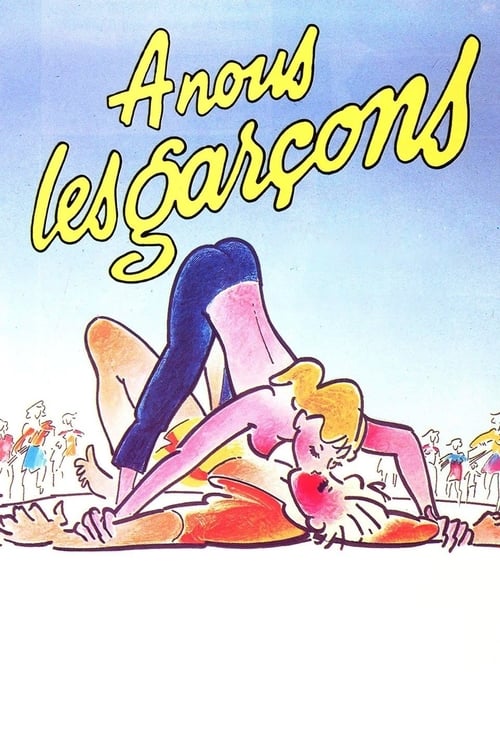
We Love You
2016
No user ratings available yet
Representation score: 1.7 out of 10
Representation Score
Fair
1985
Director
Michel Lang
Runtime
102 minutes
Average Rating
No ratings yetNew Showbiz Analysis
Michel Lang’s film provides a nuanced examination of adolescent social hierarchies by highlighting emotional sensitivity over traditional masculine dominance. It effectively disrupts 'macho' archetypes through subtle homoerotic subtext and interpersonal vulnerability. However, the film is limited by its specific historical and socioeconomic context. The lack of racial diversity and the absence of female perspectives hinder a broader exploration of identity. Ultimately, the work offers a detailed look at male intimacy within a narrow, mid-century European framework.
Category Breakdown
The film uses ambiguous adolescent attraction to challenge traditional heterosexual norms. It employs homoerotic tension and subtext to question societal assumptions about sexuality.
The film emphasizes emotional vulnerability and sensitivity to break down traditional masculine stereotypes. However, the almost total absence of female characters restricts the exploration of gender dynamics.
The cast is mainly composed of white and European actors, reflecting the historical context of a mid-century French boarding school. This limits the exploration of diverse racial backgrounds.
The story focuses on a localized, middle-to-upper-class European environment. It avoids religious doctrine, concentrating instead on the subjective morality of adolescent peer groups.
The film does not significantly depict visible or invisible disabilities that affect character's ability to drive the story or drive the plot.
Present on Screen
Limited or Absent
Official Synopsis
Two best friends fall in love with the same boy.
2016

2004
2001
1987
1996
1986
2001

1987
No reviews yet. Be the first to share your thoughts on this movie!
Use the rating form above to leave a star rating and optional review.