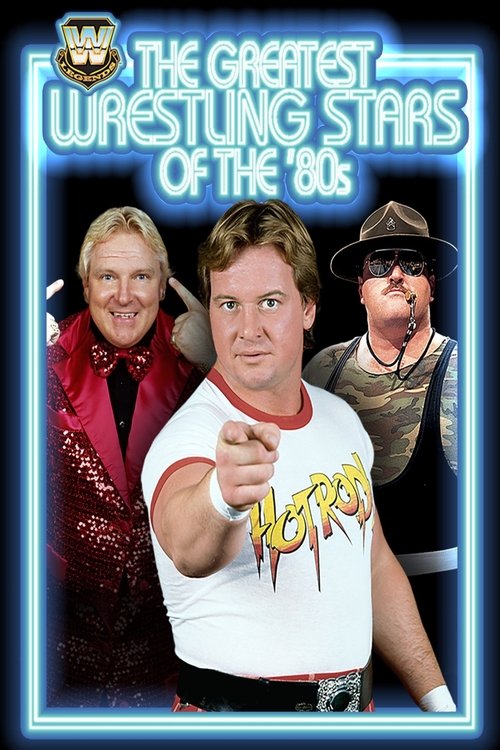
The Greatest Wrestling Stars of the '80s
2005
No user ratings available yet
Diversity score: 2.8 out of 10
2009
Director
Kevin Dunn
Runtime
540 minutes
Average Rating
No ratings yetSynopsis
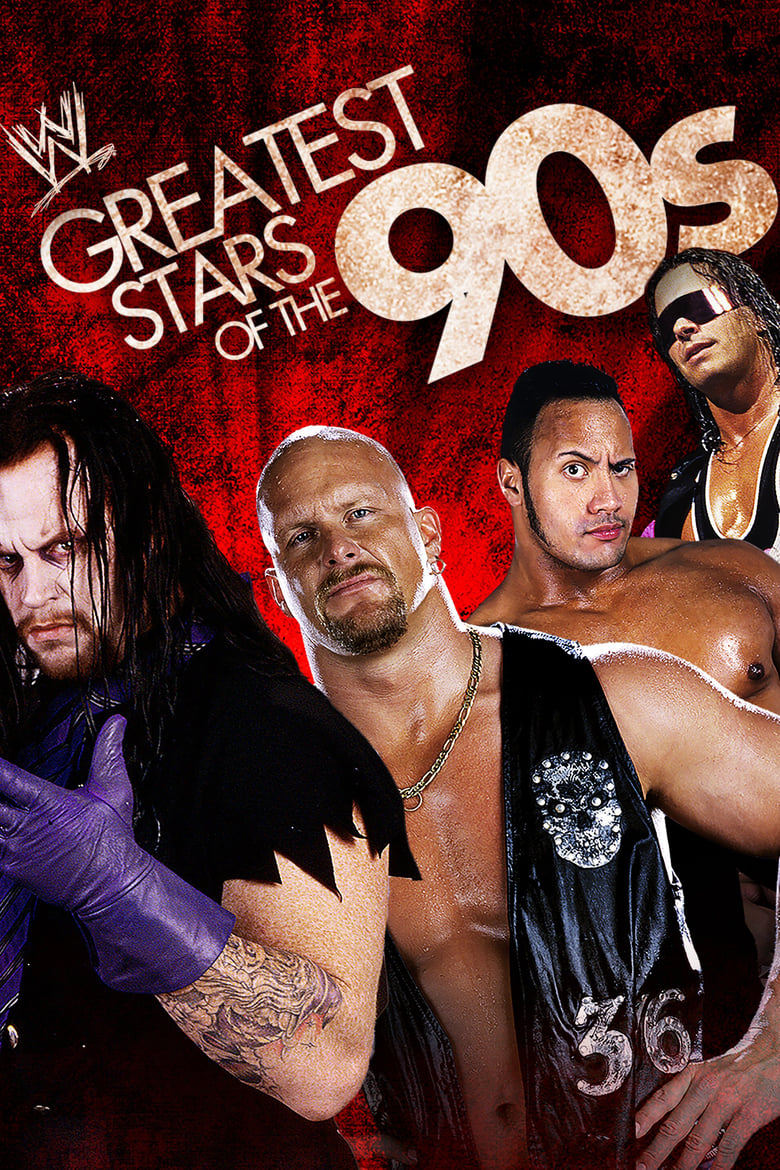
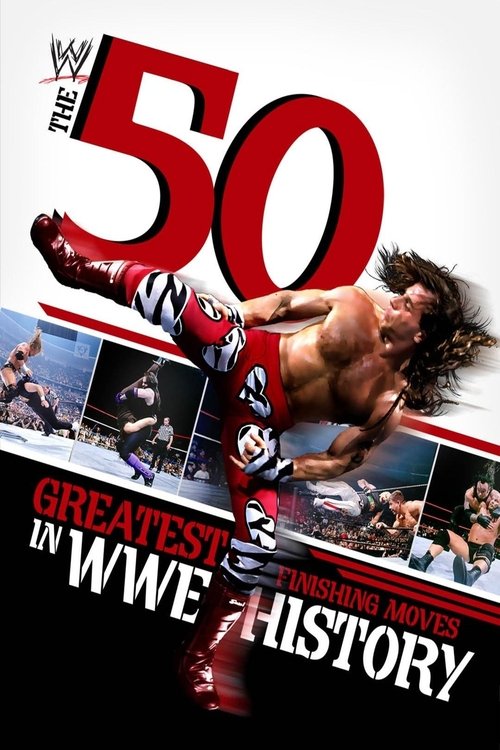
This retrospective program takes a look back on the most dramatic and memorable professional wrestling moments of the 1990s, with profiles on some of the greatest wrestling stars of the decade, and an account of the feud between WCW and the WWE.
Overall Score
Limited
Category Breakdown
LGBTQ+ Representation
The program lacks LGBTQ+ characters or narratives. The content focuses on heteronormative archetypes and traditional masculine displays common to the 1990s wrestling era.
Gender Representation
Women are largely relegated to secondary roles or aesthetic 'Diva' archetypes. The focus on 'Greatest Stars' centers on male performers, reinforcing conventional masculine dominance.
Racial & Ethnic Diversity
The cast features significant racial variety reflecting the WWE's global reach. However, performers are framed through athletic personas rather than deep, intersectional character development.
Religious & Cultural Diversity
The narrative prioritizes brand rivalry and corporate spectacle over systemic critiques. It celebrates the success of the professional wrestling institution within Western entertainment structures.
Disability Representation
There is no exploration of neurodivergence or physical disabilities with agency. Physical injury is treated as a plot device rather than a nuanced lived experience.
Strengths
Areas for Improvement
AI Analysis
This retrospective celebrates the icons and brand history of 1990s sports entertainment. The narrative structure inherently prioritizes established legends and traditional hierarchies, resulting in a narrow focus on conventional archetypes. The production emphasizes athletic prowess and corporate rivalry, such as the feud between WWE and WCW. This focus on spectacle and brand legacy leaves little room for the exploration of intersectional identities or systemic power dynamics. Ultimately, the program functions as a celebration of a specific era's commercial success. It reinforces the traditional social and gender hierarchies that defined professional wrestling during that decade.
2005
2011
2011
2014
2010
2014
2010
2016
2012

2006

2012

2004
No reviews yet. Be the first to share your thoughts on this movie!
Use the rating form above to leave a star rating and optional review.