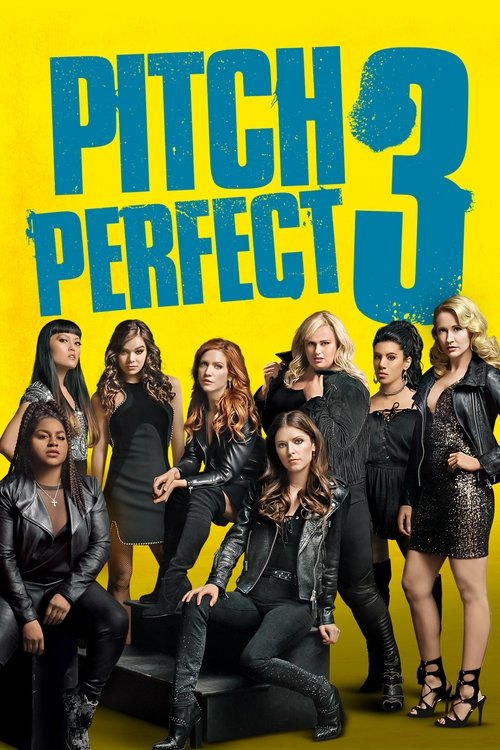
Pitch Perfect 3
2017
No user ratings available yet
Representation score: 7.5 out of 10
Representation Score
Good
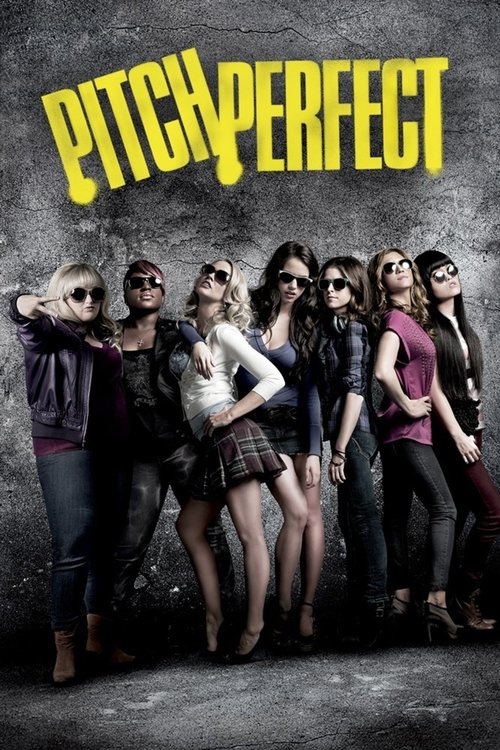
2012
PG-13Director
Jason Moore
Runtime
112 minutes
Average Rating
No ratings yetNew Showbiz Analysis
Pitch Perfect succeeds as a transitional comedy that disrupts traditional gendered power dynamics. By centering female musical ambition and collective ability to act, it moves away from the male-centric clichés common in collegiate films. However, the film remains tethered to mainstream social norms. While the ensemble is multi-ethnic, the narrative avoids exploring systemic the way different parts of someone's identity overlap or deep racial identities, opting instead for interpersonal group dynamics. Ultimately, the film's impact is uneven. It excels in presenting women as competent, driven protagonists, but falls short in providing meaningful representation for LGBTQ+ identities or nuanced explorations of disability and body politics.
Category Breakdown
The story heavily relies on traditional heterosexual relationships and lacks prominent depictions of non-binary or transgender identities. It does not challenge conventional romantic structures.
The film centers around a female-driven environment that emphasizes women's ability to drive the story and fosters a sense of sisterhood. It disrupts the traditional male gaze by focusing on women as the primary drivers of the musical competition.
The Barden Bellas serve as a multi-ethnic ensemble, creating an inclusive visual landscape. However, the plot focuses on group dynamics rather than deep explorations of racial identity.
The narrative follows a standard commercial framework within traditional collegiate social structures. It avoids religious morality but lacks subversive or anti-institutional sentiments.
Representation is limited, with characters like Fat Amy portrayed through comedic timing. The film does not proactively integrate neurodivergence or physical disability as central themes.
Present on Screen
Limited or Absent
Official Synopsis
College student Beca knows she does not want to be part of a clique, but that's exactly where she finds herself after arriving at her new school. Thrust in among mean gals, nice gals and just plain weird gals, Beca finds that the only thing they have in common is how well they sing together. She takes the women of the group out of their comfort zone of traditional arrangements and into a world of amazing harmonic combinations in a fight to the top of college music competitions.
2017
2009
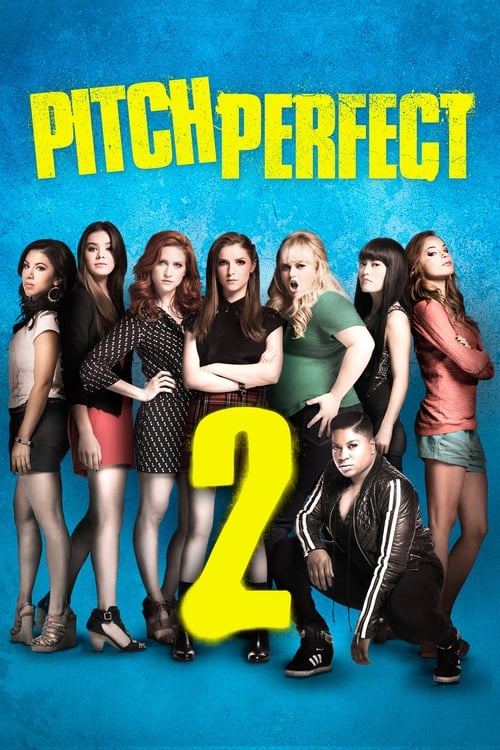
2015
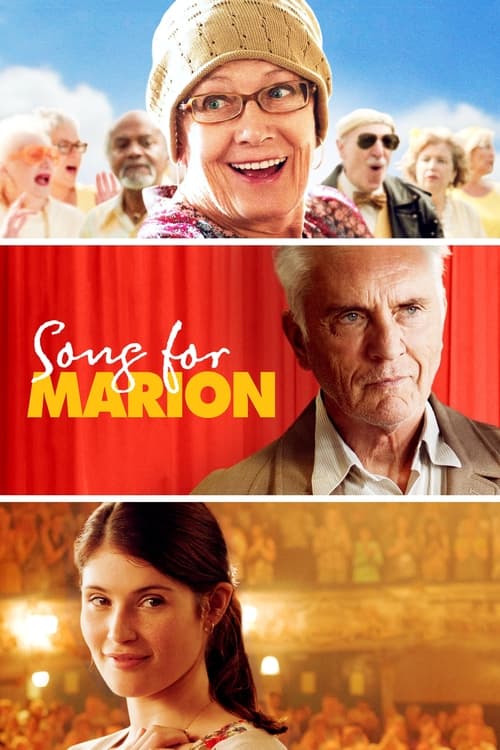
2012
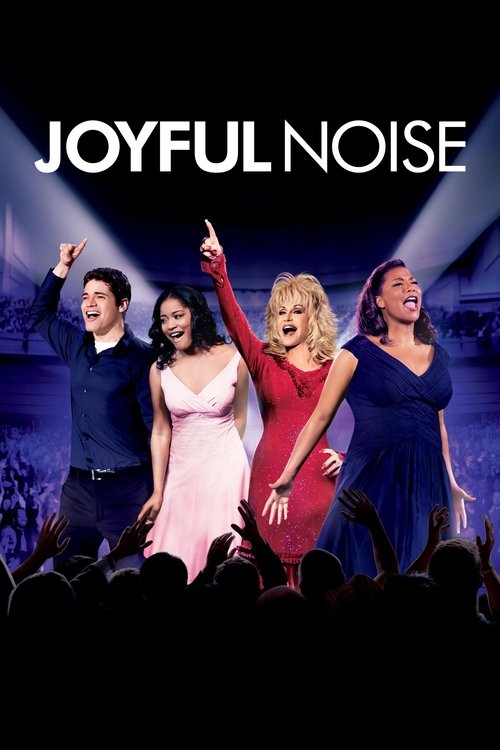
2012
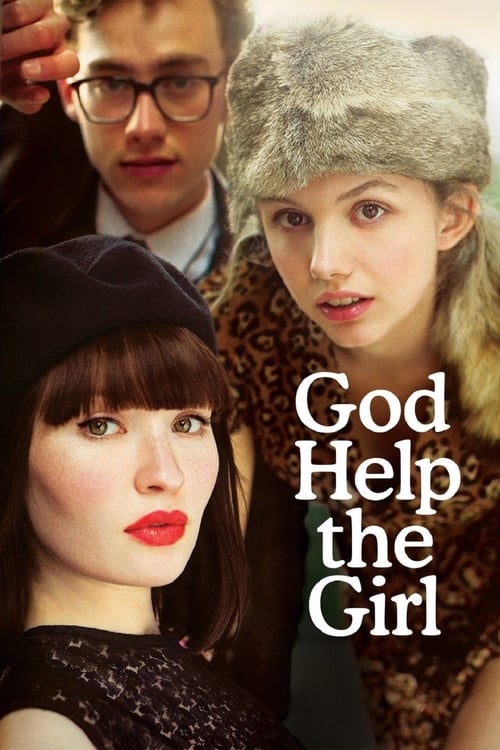
2014
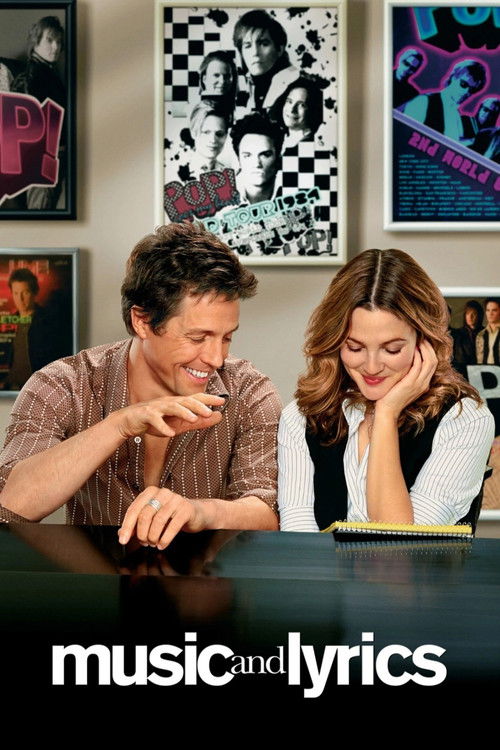
2007

2010
No reviews yet. Be the first to share your thoughts on this movie!
Use the rating form above to leave a star rating and optional review.