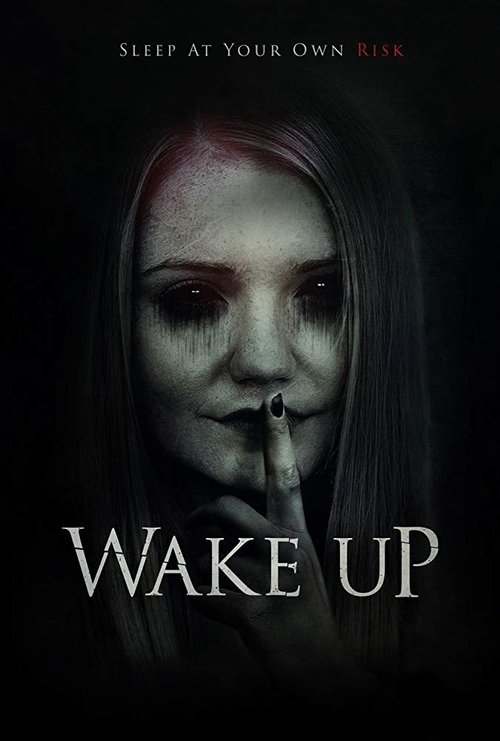
Wake Up
2019
No user ratings available yet
Representation score: 5.2 out of 10
Representation Score
Fair
2019
Director
Dave Clark
Runtime
78 minutes
Average Rating
No ratings yetNew Showbiz Analysis
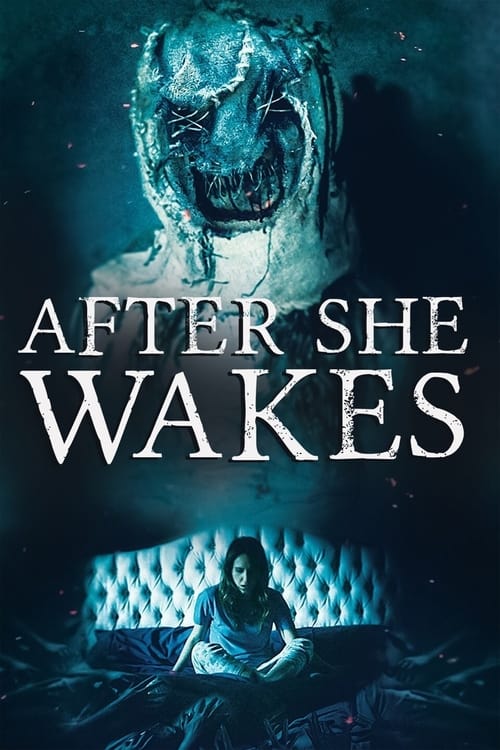
After She Wakes is a psychological horror film that excels in its intimate, character-driven focus. By centering the narrative on a mother's struggle with narcolepsy and parasomnia, the film offers a meaningful exploration of neurodivergence and the physiological disruptions of chronic health conditions. However, the film's diversity is somewhat limited by its narrow scope. The narrative lacks visible LGBTQ+ representation and provides no information regarding racial or ethnic diversity. While it challenges some traditional horror clichés, it still risks reinforcing stereotypes of female fragility and vulnerability. Ultimately, the film succeeds as a study of domestic instability and subjective reality, even if it lacks broader multi-layered breadth.
Category Breakdown
The film focuses on the maternal bond and shared grief between a mother and daughter. There are no explicit LGBTQ+ characters or non-straight relationships in the story.
The film centers on women's ability to drive the story through maternal struggle and psychological endurance. While it avoids some traditional horror clichés, the focus on vulnerability may reinforce stereotypes of female fragility.
The provided details do not specify the racial or ethnic identities of the cast. A score cannot be assigned without risking inaccurate interpretation of the characters.
The story explores a nuanced view of the nuclear family by depicting it as a site of pain rather than stability. It blurs the lines between internal trauma and external reality.
The protagonist's narcolepsy and parasomnia are integrated into her fundamental identity. This provides a platform for exploring neurodivergence and chronic health conditions through a character-driven lens.
Present on Screen
Limited or Absent
Official Synopsis
After tragic death of her baby son, a narcoleptic mother with young daughter suffers from terrifying sleep disruptions as they try to deal with ongoing pain and grief. They begin experiencing different episodes of parasomnia including night terrors and sleep paralysis, leaving them unable to move and only able to witness horrific visions. These nightmares become too disturbing as they create a rift in their own realities causing the mother to believe someone or something is watching her sleep every night. Soon the terrifying visions from their dreams begin to manifest into a sinister reality, leaving the mother vulnerable.
2019

2015
2019
2023
2022
2012

2014
2016
No reviews yet. Be the first to share your thoughts on this movie!
Use the rating form above to leave a star rating and optional review.