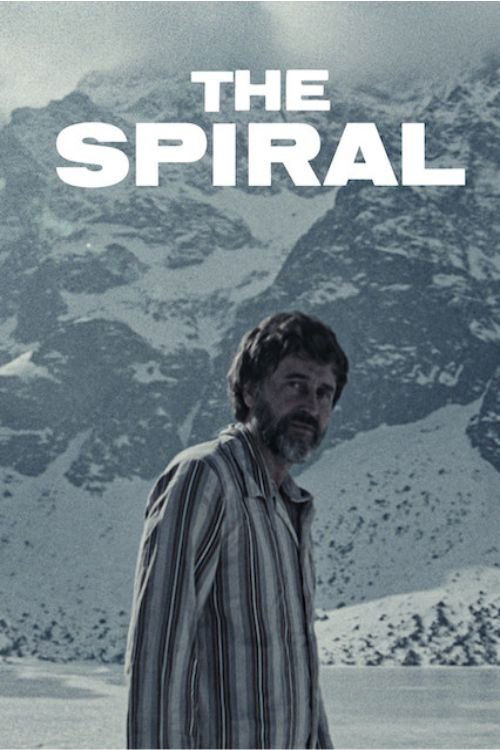
The Spiral
1978
No user ratings available yet
Representation score: 6.9 out of 10

Representation Score
Fair
1965
Director
Tadeusz Konwicki
Runtime
100 minutes
Average Rating
No ratings yetNew Showbiz Analysis
Salto is a surreal exploration of existential isolation that emphasizes poetic, dream-like logic over traditional character development. While it excels as a psychological drama, it offers minimal representation of diverse demographics. The film's strength lies in its critique of social structures and its use of surreal environments to challenge collective certainty and communal cohesion. However, it is limited by its cultural homogeneity and lack of representation for LGBTQ+, racial, and disabled identities.
Category Breakdown
The film does not include explicit representations of LGBTQ+ identities or relationships. It focuses more on the protagonist's inner thoughts rather than exploring sexual orientation.
Gender roles are portrayed through abstract concepts rather than traditional hierarchies. The film avoids typical gender clichés but does not actively challenge traditional gender roles either.
The film is set in a mid-century Polish environment and lacks racial or ethnic diversity among the characters and setting.
It portrays a dysfunctional community that questions social cohesion and institutional stability. The film favors an existentialist perspective over traditional communal or religious views.
The film highlights psychological distress and mental alienation as universal experiences. It does not specifically represent neurodivergence or physical disabilities.
Present on Screen
Limited or Absent
Official Synopsis
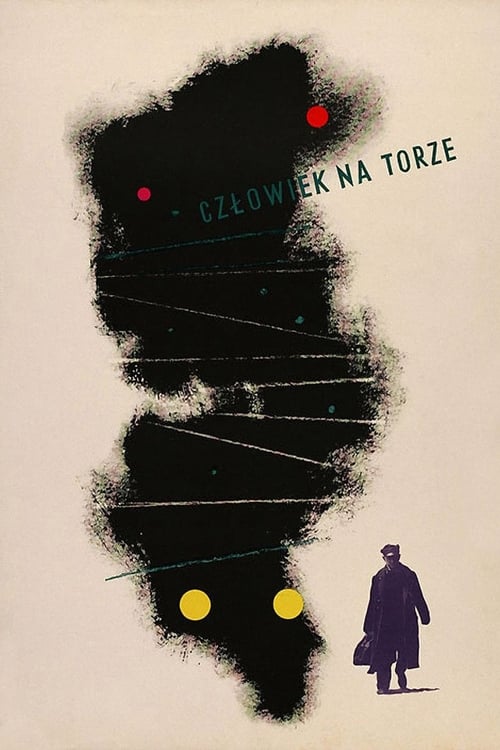
A man jumps off a moving train and goes to a small town to face its inhabitants, who seem familiar, but odd.
1978

1962
1972

1957
1959
1962
1957
1958
No reviews yet. Be the first to share your thoughts on this movie!
Use the rating form above to leave a star rating and optional review.