
Brassens, la mauvaise réputation
2011
No user ratings available yet
Representation score: 5.0 out of 10
Representation Score
Minimal
1971
Director
Pierre Cardinal
Runtime
82 minutes
Average Rating
No ratings yetNew Showbiz Analysis
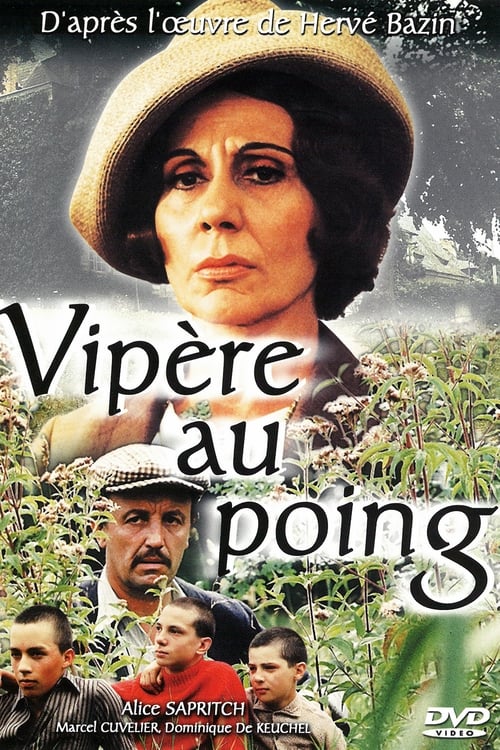
Viper in the Fist is a psychological domestic drama focused on interpersonal conflicts. It emphasizes character-driven tension over broader cultural or identity-based issues. The film's narrow focus revolves around a child's rebellion against a perceived maternal antagonist, creating a localized struggle without addressing wider societal issues. While it challenges the ideal of maternal warmth, it does so through traditional clichés rather than progressive deconstruction, maintaining a conventional social framework.
Category Breakdown
The film does not include any characters with LGBTQ+ identities or those who do not identify with the gender they were assigned at birth. The story revolves around family tensions and dynamics.
Marthe is portrayed through traditional stereotypes, using derogatory nicknames like 'Folcoche.' Despite exerting significant influence, her character adheres to the cliché of the difficult woman.
The story centers on a homogeneous European family in Belle-Angerie. The parents' time in Japan serves as a plot device without providing meaningful racial representation.
The film examines the breakdown of the traditional nuclear family through domestic rebellion. It stays within conventional dramatic structures without broader institutional critiques.
There are no characters with visible or invisible disabilities. Disability is not used as a narrative device in this domestic drama.
Present on Screen
Limited or Absent
Official Synopsis
Jean, nicknamed Brasse-Bouillon, and his brother Ferdinand live with their paternal grandmother, who is responsible for their upbringing. But when their parents returned from Japan, they settled in Belle-Angerie and resumed their role with the children, while their grandmother had to leave for cousins. The boys soon come up against the contempt of their mother, Marthe. Faced with this shrew, whom he nicknamed "Folcoche" (a contraction of "madwoman" and "pig"), Jean decided to join the resistance.
2011

1961

2021

1979

2020

2020

2021

1973
No reviews yet. Be the first to share your thoughts on this movie!
Use the rating form above to leave a star rating and optional review.