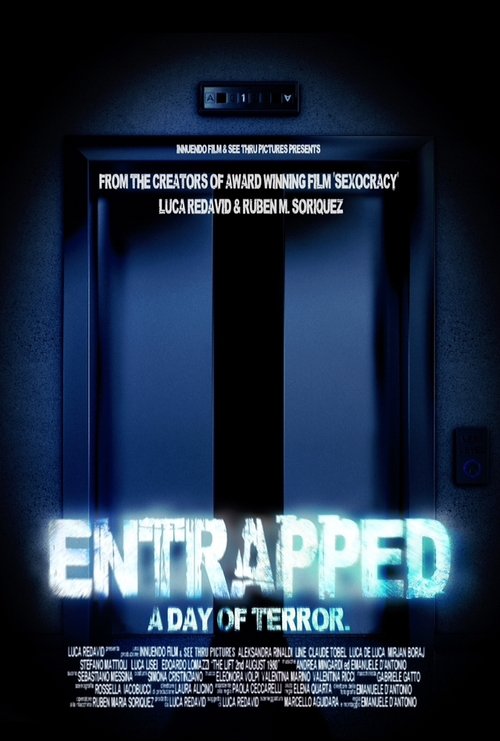
Entrapped - A Day of Terror
2019
No user ratings available yet
Representation score: 3.9 out of 10

Representation Score
Limited
2009
Director
Keisuke Horibe
Runtime
105 minutes
Average Rating
No ratings yetNew Showbiz Analysis
Elevator Trap is a genre-driven psychological thriller that prioritizes suspense and the mechanics of a conspiracy over exploring diverse identities. The single-location setting emphasizes interpersonal conflict and escalating anxiety among four strangers. The film adheres to traditional narrative structures, avoiding intentional challenges to social norms or progressive representation. It operates within established thriller conventions without using its platform for social deconstruction. While the film offers cultural specificity through its Japanese production, it does not actively challenge systemic hierarchies or provide diverse representation across gender, race, or disability.
Category Breakdown
The film does not include any characters with non-binary gender identities. The focus is on immediate tension rather than exploring identity-based issues.
The cast includes one woman and three men. The narrative remains neutral, emphasizing collective entrapment rather than challenging traditional gender roles.
As a Japanese production, the cast likely reflects domestic demographics. The story does not suggest a departure from ethnic homogeneity or the use of actors from different backgrounds.
The plot explores suspicion and deception but avoids direct critiques of religious or political ideologies. Morality is driven by personal survival rather than broader socio-political commentary.
There is no indication that physical disabilities, mental health conditions, or neurodivergence play a central role in the narrative or define character traits.
Present on Screen
Limited or Absent
Official Synopsis
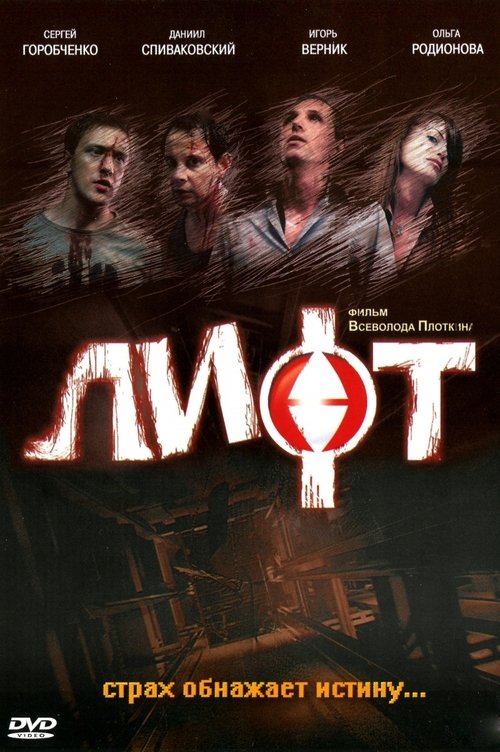
Japanese film directed by Keisuke Horibe. Three seemingly unacquainted men and a woman find themselves trapped in an elevator. As the hours pass and the level of anxiety rise, we realize the elevator trap is in fact a trap, but hatched by which of the parties and for what motive?
2019
1964
2013

2005
2008

2019
2006

2010
No reviews yet. Be the first to share your thoughts on this movie!
Use the rating form above to leave a star rating and optional review.