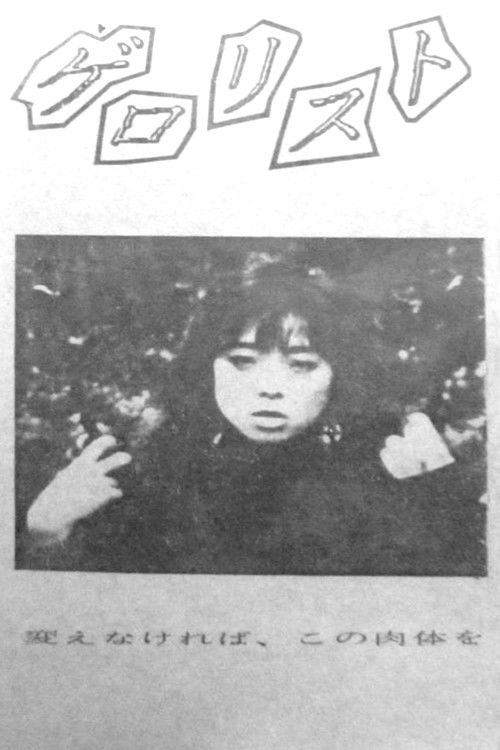
Gerorist
1990
No user ratings available yet
Representation score: 6.7 out of 10
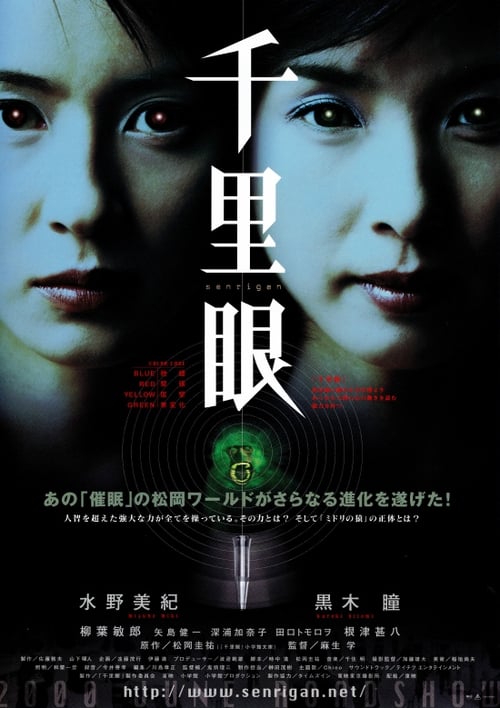
Representation Score
Limited
2000
Director
Manabu Asô
Runtime
100 minutes
Average Rating
No ratings yetNew Showbiz Analysis
Senrigan adheres to the conventional boundaries of the thriller and horror genres. The narrative focuses on institutional investigations and religious mysteries, following established clichés rather than progressive storytelling patterns. The film lacks character arcs that reflect multiple aspects of identity or the subversion of social hierarchies. Character roles tend to align with traditional professional and cultural structures without significant deviation. While the film engages with Japanese religious iconography, it does so primarily as a plot device rather than a tool for cultural critique. This results in a standard, genre-driven experience.
Category Breakdown
The film does not include any explicit mention of LGBTQ+ characters or non-binary gender identities. The storyline revolves around a psychological and military investigation.
The story centers on two male authority figures in research and the military. There is no indication of gender subversion or diverse gender roles.
Set in Japan, the cast appears ethnically uniform. The narrative relies on local cultural and religious symbols without incorporating diverse racial backgrounds.
The plot uses traditional religious imagery, such as a Buddha statue and a cult. It explores belief systems through a standard genre lens without deconstruction.
There is no information about the inclusion of characters with physical, sensory, or neurodivergent disabilities.
Present on Screen
Limited or Absent
Official Synopsis
The head of a psychological research institute and a lieutenant in the Japanese Air Force are both investigating a mysterious cult known only as ‘Midori no Saru’ (The Green Monkey). Members of this group have committed a string of violent suicide-attacks on military bases and public areas. Part of the mystery seems to involve a young child and an enormous Buddha statue outside Tokyo, but how could all these pieces possibly fit together?
1990
2005

2001

2012
2005
1992

2002

2011
No reviews yet. Be the first to share your thoughts on this movie!
Use the rating form above to leave a star rating and optional review.