Michael Jordan to the Max
2000
No user ratings available yet
Diversity score: 2.7 out of 10
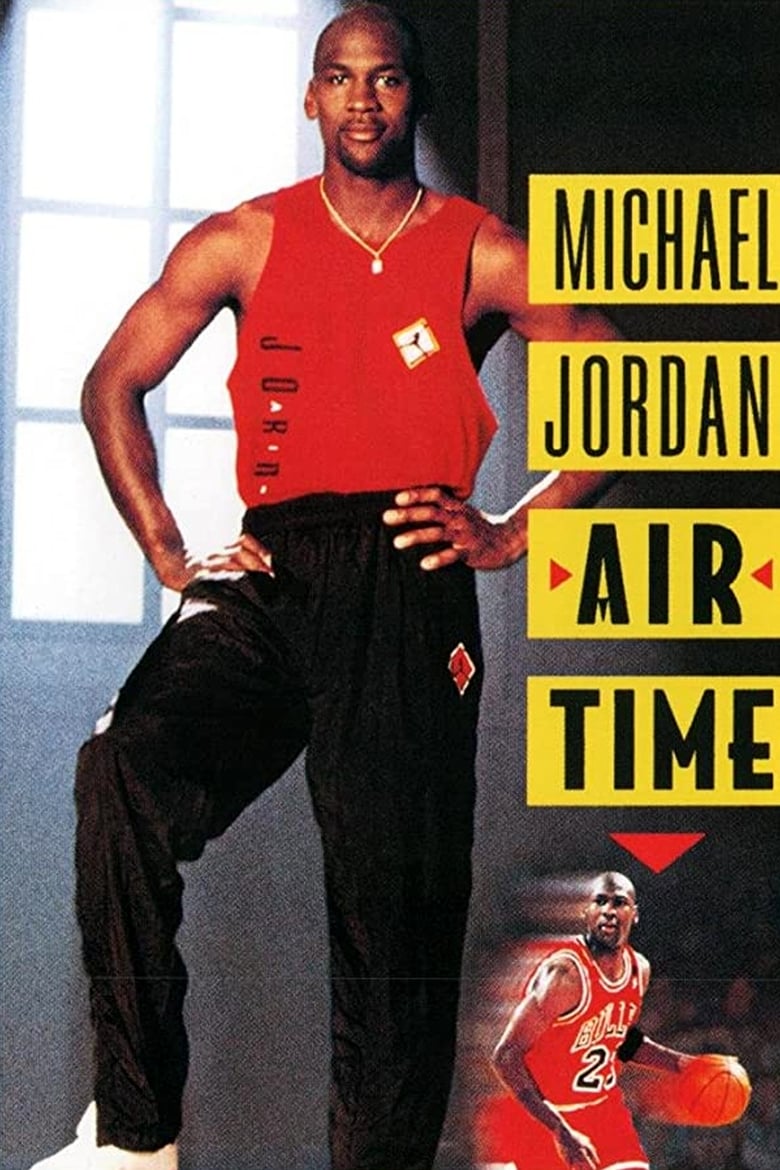
1993
NRRuntime
50 minutes
Average Rating
No ratings yetSynopsis
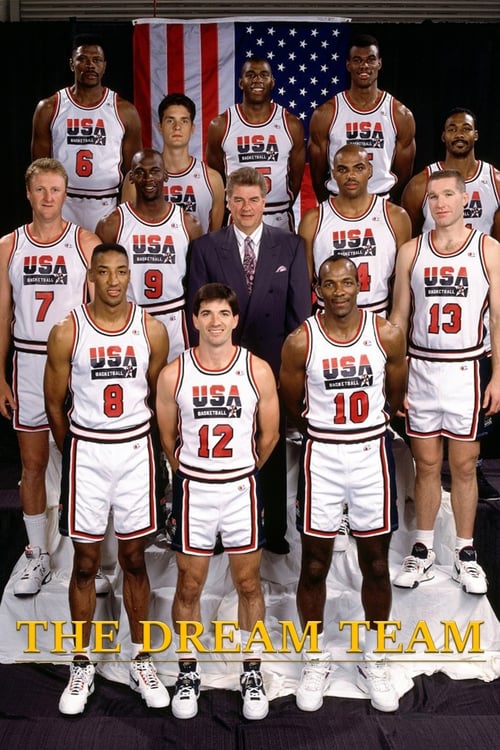
"Michael Jordan: Air Time" documents Jordan and the Chicago Bulls' 1991-92 season, including Jordan dealing with his friend and rival Magic Johnson's retirement announcement, gambling allegations, talk of the team possibly breaking the long-in-place season win record with 70 victories, filming a music video with Michael Jackson, and other obstacles throughout the course of the year. The video follows this with the "Dream Team" (Jordan and his fellow NBA stars) gaining worldwide attention as they partake and dominate in the 1992 Summer Olympics in Barcelona, and concludes with the Bulls' championship ring ceremony in the fall of '92
Overall Score
Fair
Category Breakdown
LGBTQ+ Representation
The documentary lacks visible queer narratives or non-heteronormative identities. It focuses on the professional lives of NBA athletes within a 1990s context that rarely centered such themes.
Gender Representation
The film is centered on male athletes and hyper-masculine environments. There is no indication of female agency or the subversion of traditional gender hierarchies.
Racial & Ethnic Diversity
The film provides significant visibility to Black excellence on a global stage. It centers Black athletes as primary drivers of cultural momentum through the dominance of Jordan and the Dream Team.
Religious & Cultural Diversity
The narrative operates within traditional Western sporting institutions and the capitalist sports model. It celebrates individual celebrity and the prestige of the Olympic Games.
Disability Representation
There is no information regarding the portrayal of physical or neurodivergent disabilities in this documentary.
Strengths
Areas for Improvement
AI Analysis
Michael Jordan: Air Time serves as a powerful document of Black excellence and global athletic dominance. By centering Michael Jordan and the 1992 Dream Team, the film provides high-impact representation of Black identity in positions of international prestige. However, the documentary remains confined to the traditional social structures of the early 1990s. The narrative architecture is heavily male-dominated and lacks visibility for LGBTQ+ identities or female agency, reflecting the era's sports media landscape. Ultimately, the film is a celebration of individual mastery and Western sporting success. It succeeds in showcasing racial agency on a global scale but does not challenge existing gender or heteronormative hierarchies.
2000
1999

1989
1990
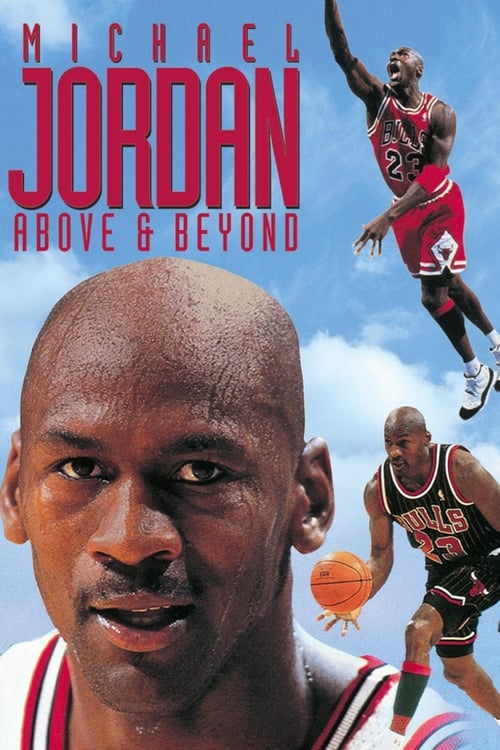
1996
2021
2011
2001
1998

2021
2012
2006
No reviews yet. Be the first to share your thoughts on this movie!
Use the rating form above to leave a star rating and optional review.