Matchless
1967
No user ratings available yet
Representation score: 0.8 out of 10
Representation Score
Limited
1976
NRDirector
Alan J. Levi, Don McDougall
Runtime
97 minutes
Average Rating
No ratings yetNew Showbiz Analysis
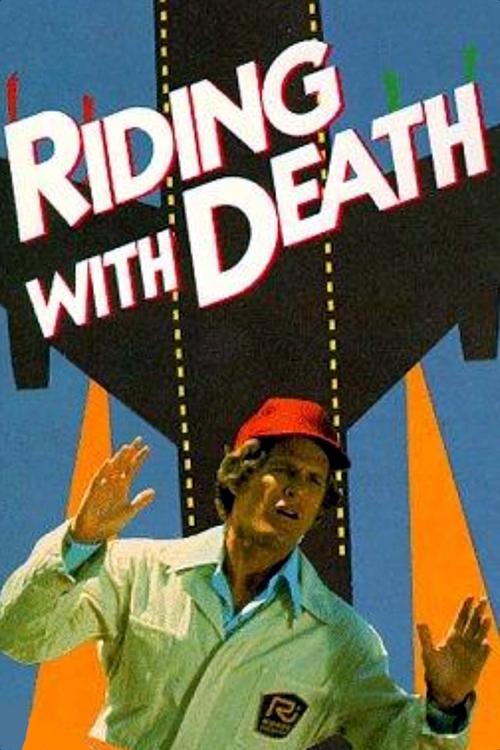
Riding with Death is a genre-standard 1970s television movie that prioritizes high-concept science fiction over social commentary. The narrative structure relies on traditional formulas, emphasizing individual heroism and the preservation of institutional stability. The film operates within the established cinematic norms of its era, lacking the intentionality needed to challenge conventional social hierarchies. It focuses on a localized conspiracy rather than broader multi-layered dynamics.
Category Breakdown
The film follows a standard framework that assumes everyone is straight and cisgender. There are no characters with non-binary gender identities or stories that explore these identities.
The story centers on Agent Sam Casey's role as the main character. It lacks strong female characters in positions of intellectual or strategic leadership.
The production uses a homogeneous cast typical of the mid-1970s. There is no evidence of actors from diverse racial backgrounds being cast in roles traditionally associated with white characters.
The plot focuses on corporate fraud and terrorism, emphasizing traditional justice and social order. It does not address broader systemic issues.
Disability is used as a plot device rather than a nuanced exploration of the condition. It functions as a superpower mechanic in the story.
Present on Screen
Limited or Absent
Official Synopsis
Agent Sam Casey is in a satellite explosion and the radiation turns him invisible. He gets a watch that keeps him visible, and he uses it to switch from visible to invisible. He is assigned to transport a chemical called Tripolydine, which is purported to be the most efficient fuel; when the cover is blown on that and he uncovers and stops the Tripolydine fraud, he must then stop a terrorist from blowing up race cars.
1967
1982
1993
1966
1983
1994
1960

1971
No reviews yet. Be the first to share your thoughts on this movie!
Use the rating form above to leave a star rating and optional review.